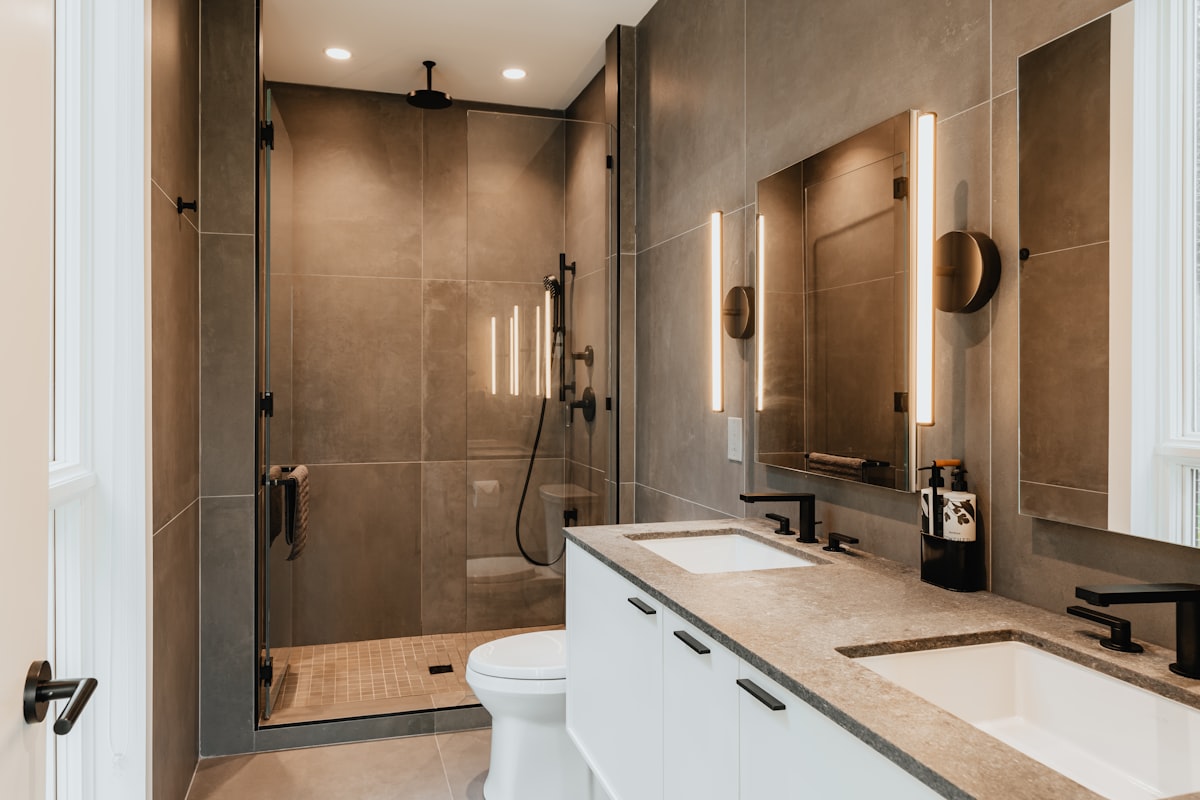
Upgrading Your Bathroom: The Ultimate Tub Shower Conversion to Walk In Shower
The modern home is a sanctuary of comfort and efficiency, yet many homeowners find themselves stuck with bathroom layouts designed for a different era. The traditional bathtub-shower combination, once a staple of suburban housing, often becomes an underutilized obstacle as lifestyles evolve. For many, the daily ritual of climbing over a high porcelain wall just to take a quick rinse feels increasingly cumbersome and unnecessary.
As a result, replacing an outdated tub with a spacious, modern walk-in shower has emerged as one of the most sought-after home improvements. This design shift is driven by a desire for clean lines, open spaces, and a more seamless daily routine. By removing the physical barrier of the tub, you instantly transform the visual flow of the room, making even compact bathrooms feel significantly larger and more inviting.
Related posts
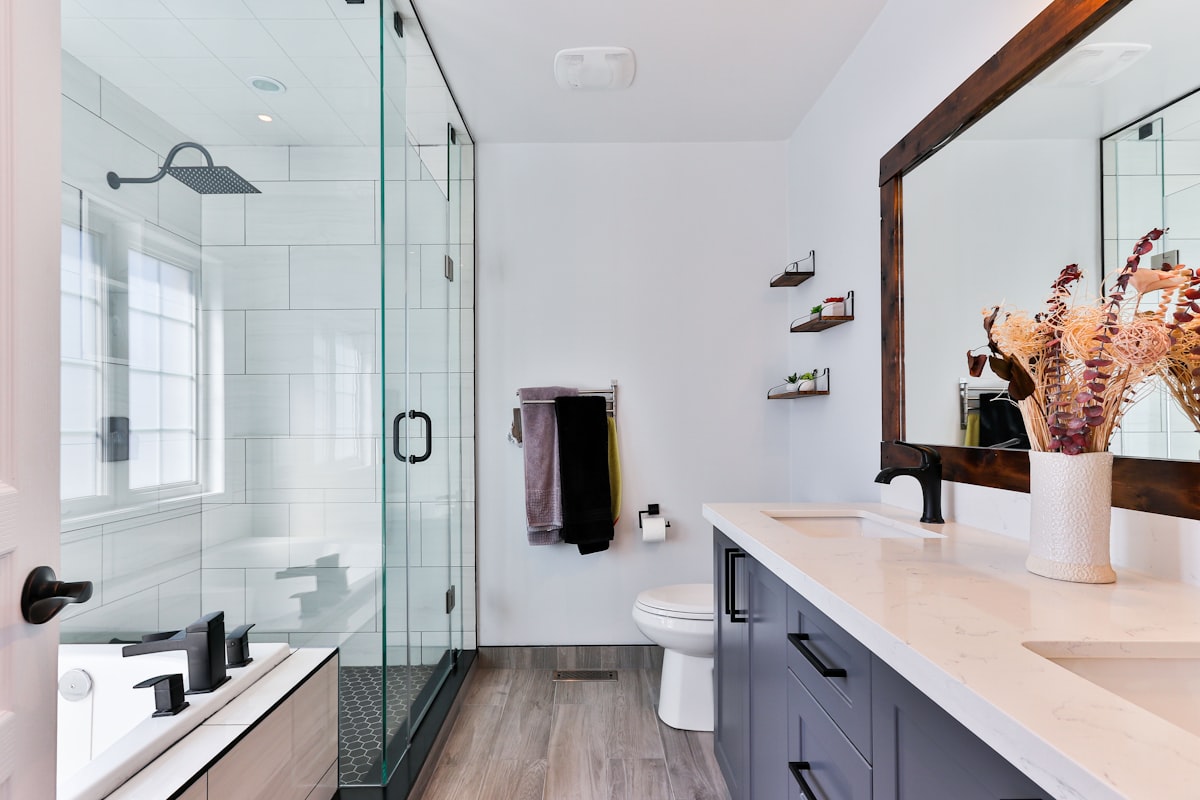
Swift Style: Achieving a Total Transformation with a 2 Day Bathroom Remodel
The thought of a home renovation often brings to mind images of dust, plastic sheets, and weeks of...
Read more →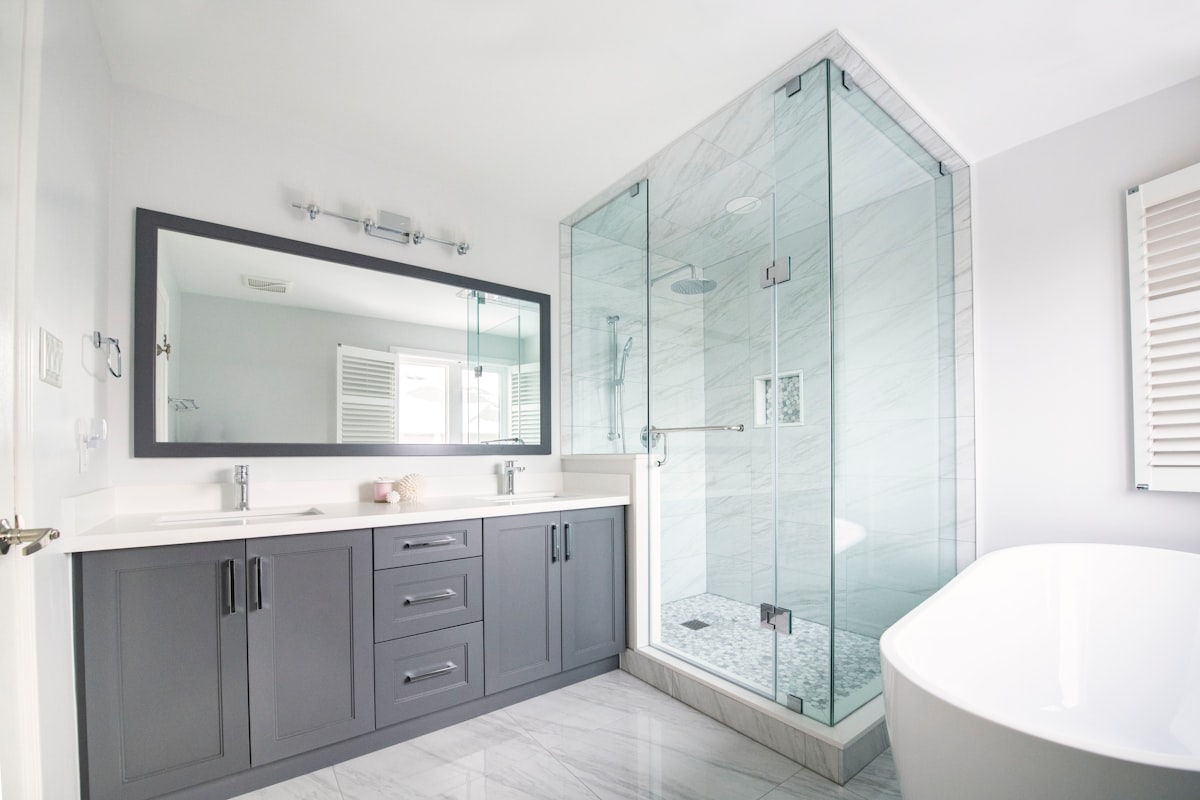
A Seamless One Day Tub to Shower Conversion for Modern Living
Many homeowners find themselves staring at an old, stained bathtub that rarely sees any use. In the fast-paced...
Read more →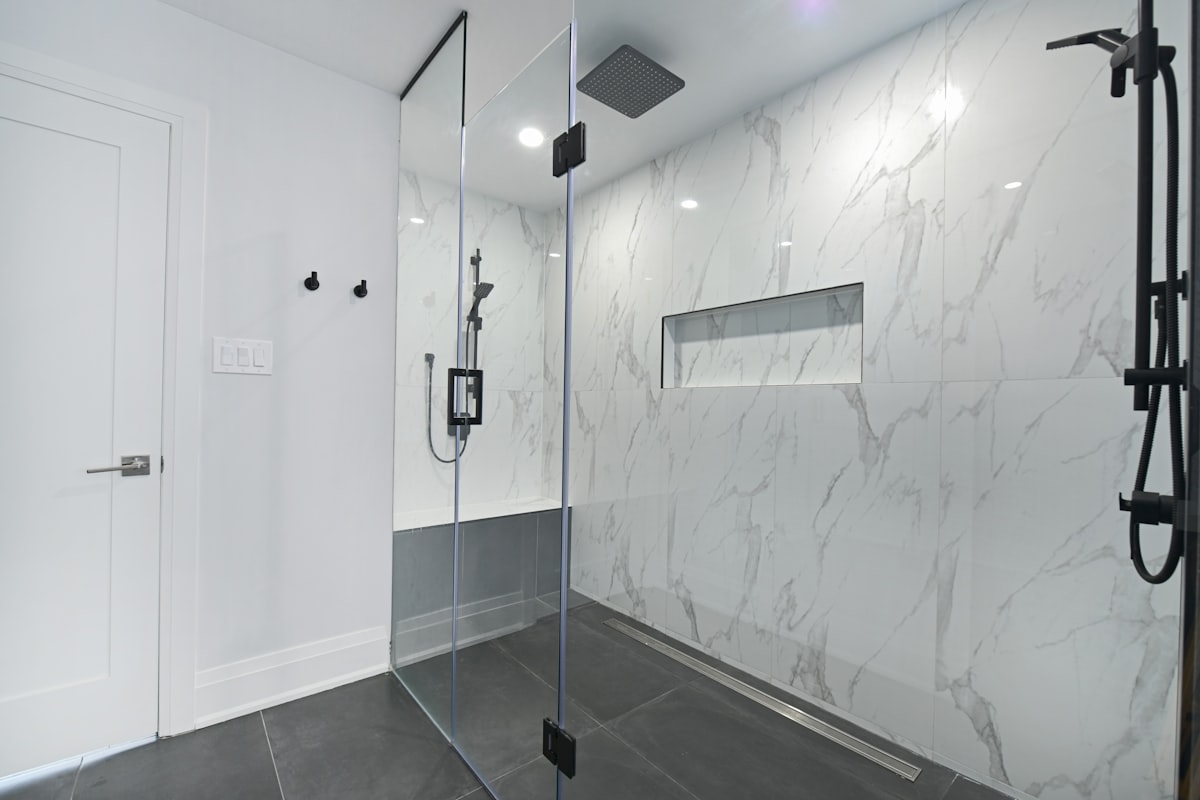
The Rapid Transformation: Why the One Day Shower is Changing Home Renovations
Imagine waking up to a bathroom that feels like a relic from a different decade. You want a...
Read more →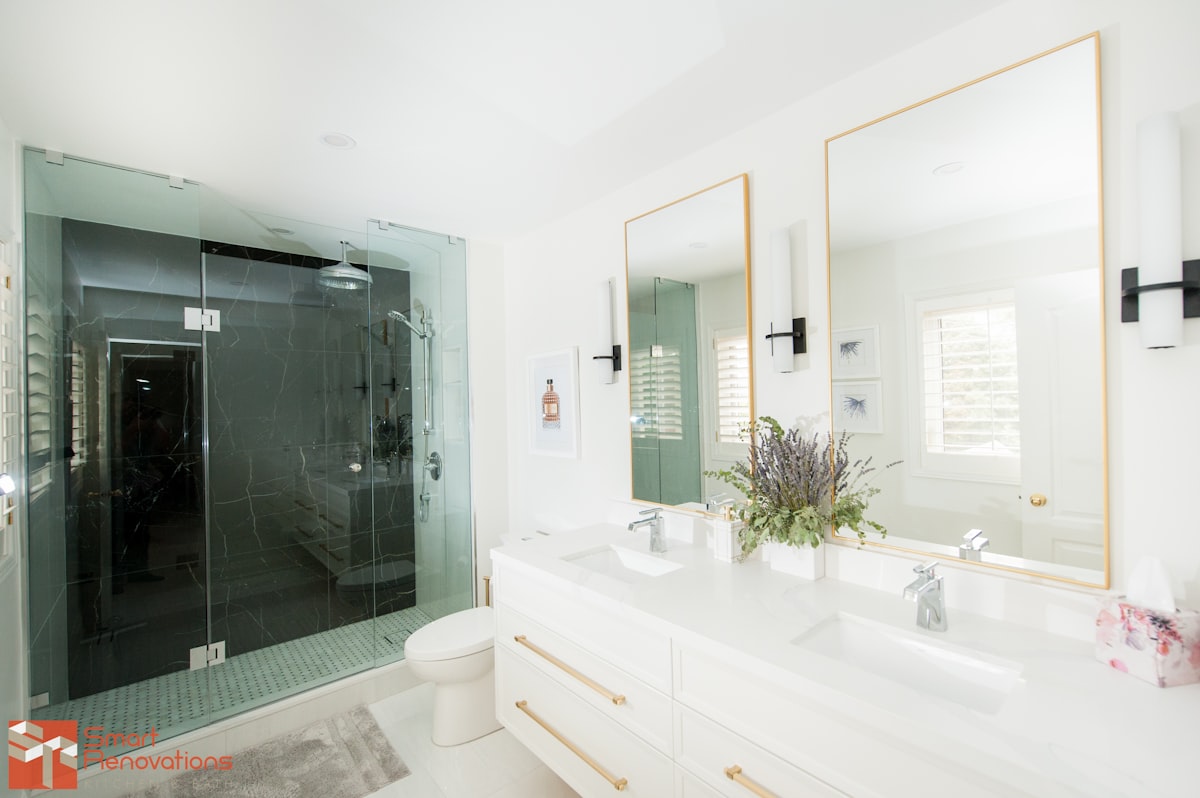
Finding the Best Shower Contractors for Your Home Transformation
The bathroom is often the most personal space in a home, a sanctuary where the day begins and...
Read more →Making this change is not merely about aesthetic preference; it is a practical upgrade that addresses safety, accessibility, and convenience. As families look to future-proof their homes, eliminating tripping hazards becomes a top priority. A sleek, low-threshold shower offers a level of accessibility that a standard tub simply cannot match, providing peace of mind for household members of all ages.
Before embarking on this remodeling journey, it is essential to understand the various facets of the project. From plumbing configurations and waterproofing techniques to tile selections and glass enclosures, several moving parts must align to create a beautiful and durable result. A well-planned conversion can breathe new life into your home, but it requires careful consideration of both design choices and structural realities.
Whether you are looking to create a spa-like retreat or simply want to make your morning routine more efficient, understanding the process is the first step toward success. Let us delve into the practical advantages, design options, and technical aspects of converting your old tub into a beautiful, functional walk-in shower.
The Practical Advantages of a Walk In Shower
The decision to replace a traditional bathtub with a walk-in shower offers numerous immediate and long-term benefits. One of the most compelling reasons is the dramatic improvement in safety and accessibility. Traditional tubs require stepping over a ledge that is often 15 to 18 inches high, which can be hazardous on slippery bathroom floors. A walk-in shower features a low threshold, or even a barrier-free entry, drastically reducing the risk of slips and falls.
Another major advantage is the efficient use of space. Bathtubs occupy a significant amount of floor area, often making small bathrooms feel cramped and dark. A walk-in shower, particularly one with clear glass panels, allows light to flow uninterrupted throughout the room. This visual openness makes the entire bathroom feel wider, brighter, and more modern without changing the actual footprint of the space.
Maintenance is also simplified with a modern shower design. Old tubs, especially those made of acrylic or cast iron, are prone to staining, chipping, and grout discoloration along the seam where the tub meets the wall. Walk-in showers designed with large-format tiles, solid-surface panels, or high-quality seamless materials have fewer grout lines, making them far easier to clean and keep free of mold and mildew.
Key Design Elements for Your New Shower
When planning your project, you have the opportunity to customize every detail to match your personal style and functional needs. The choices you make during the design phase will define the look and feel of your new bathroom.
Selecting the Perfect Enclosure
The type of enclosure you choose heavily influences the overall aesthetic. Frameless glass enclosures are incredibly popular because they offer a clean, minimalist look that showcases beautiful tile work. If you prefer a more open feel, a walk-in design with a single fixed glass panel can block overspray while keeping the shower entry completely open. For those seeking a cohesive, modern look, a fully open wet-room design integrates the shower seamlessly into the rest of the bathroom floor.
Choosing Durable and Stylish Materials
The materials you select for the walls and floor must balance beauty with water resistance. Porcelain and ceramic tiles are classic choices that offer endless design versatility, from rustic wood-look planks to elegant marble patterns. If you prefer a low-maintenance option, solid-surface wall panels made of quartz or composite materials provide a sleek, grout-free alternative that is incredibly easy to clean. For the shower floor, small mosaic tiles are often recommended because the extra grout lines provide necessary traction underfoot.
Upgrading Your Fixtures
A conversion project is the perfect time to upgrade your plumbing fixtures. Installing a rain showerhead can turn a basic daily rinse into a spa-like experience. Adding a hand-held shower wand provides extra flexibility for cleaning the shower walls or bathing pets. For a touch of luxury, consider built-in niches for shampoo bottles, a comfortable floating bench, or even thermostatic valves that keep the water at your exact preferred temperature.
Technical and Plumbing Considerations
While the aesthetic transformation is exciting, the success of your project relies heavily on what happens behind the walls. Converting a tub to a shower involves several technical adjustments that require precision and expertise.
One of the primary technical challenges involves the drain size. Standard bathtubs typically use a 1.5-inch drain pipe, whereas building codes generally require a 2-inch drain pipe for walk-in showers to handle the rapid flow of water. Expanding this drain line often requires accessing the subfloor, which can be complex depending on whether your home is built on a concrete slab or has a wood-joist system. Additionally, the shower floor must be sloped correctly toward the drain to prevent pooling water.
Waterproofing is another critical phase where shortcuts cannot be taken. Unlike a bathtub, which contains water within its basin, a walk-in shower relies on a comprehensive waterproofing system behind the tiles and beneath the pan. Proper moisture barriers, specialized backing boards, and high-quality sealants are essential to prevent water from seeping into the subfloor and framing, which could lead to structural rot and costly repairs down the road.
Impact on Home Resale Value
Homeowners often wonder how removing a bathtub will affect their property value. The general rule of thumb is that as long as your home retains at least one full bathtub, converting a secondary tub into a walk-in shower will likely boost your home's appeal. Modern buyers overwhelmingly prefer spacious, high-end showers over unused tubs, especially in the primary bathroom.
However, if your home only has one bathroom, removing the sole tub could potentially alienate buyers with young children who rely on bathtubs daily. In such cases, weighing the immediate benefits to your lifestyle against potential future selling points is an important step in your decision-making process.
Finding the Right Professionals for the Job
Given the complexities of plumbing, framing, and waterproofing, this type of renovation is rarely a suitable weekend DIY project. A single mistake in waterproofing or drain alignment can lead to thousands of dollars in water damage. Partnering with the best bath remodel company ensures that your project is completed safely, efficiently, and in compliance with local building codes.
When searching for a contractor, look for professionals who specialize specifically in wet-area renovations. They will have the specialized knowledge required to address hidden issues, such as mold behind the old tub walls or outdated plumbing lines that need replacement. A reputable company will provide a clear timeline, a detailed estimate, and a robust warranty on both materials and labor, giving you total peace of mind throughout the renovation process.
Conclusion
Converting an underutilized bathtub into a modern walk-in shower is a powerful way to revitalize your bathroom, making it safer, more spacious, and infinitely more enjoyable. By carefully planning your layout, choosing high-quality materials, and understanding the technical requirements of the project, you can create a beautiful space that serves your household for years to come. When you are ready to take the next step, working with experienced professionals will ensure your vision is realized with the highest level of craftsmanship and durability.