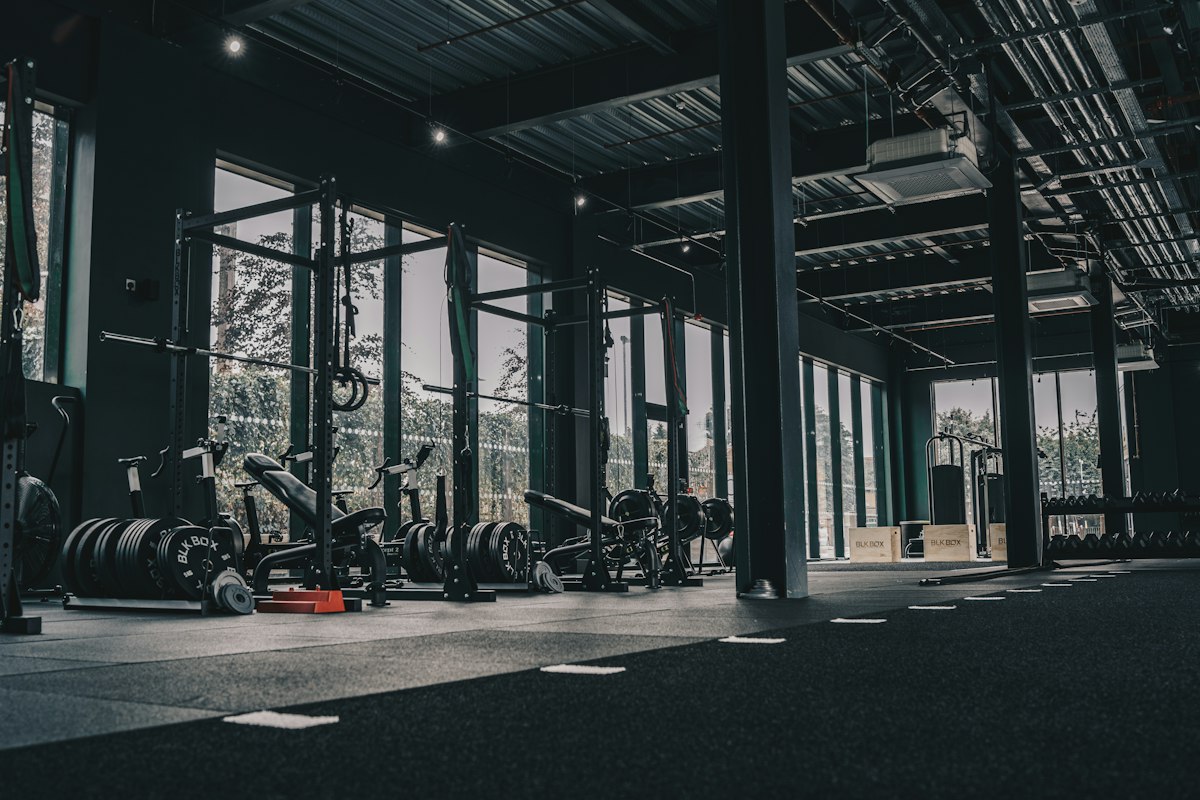
Rubber Mat Flooring Price: Costs, Formats, and Hidden Expenses
Setting out to purchase rubber flooring often starts with a straightforward assumption: because it is primarily rubber, pricing should be relatively predictable. Once you begin comparing quotes, however, square-foot prices swing wildly from $1.50 to over $18. That broad spectrum catches many homeowners, gym operators, and warehouse managers off guard.
The price you pay rarely reflects just the square footage of the material itself. Rubber is extremely dense and heavy, produced through distinct vulcanization, bonding, or extrusion processes. A light foam-rubber mat made for an assembly station has almost nothing in common with a dense, commercial-grade vulcanized tile engineered to absorb hundreds of pounds dropped from overhead.
Related posts
Best Vinyl Flooring for Hospital Environments: Selection Criteria, Types, and Technical Performance
Selecting flooring for a medical facility presents an unforgiving set of demands. Healthcare administrators, facility directors, and interior...
Read more →
Engineered Wood Flooring Cost: Complete Price Breakdown and Budget Planning
Planning a flooring renovation brings exciting design choices, but figuring out the true financial commitment can quickly become...
Read more →
Redefining Sophistication: The Essentials of Modern Luxury Home Decor
Creating a living space that feels both expensive and comfortable is a delicate balancing act. For many homeowners,...
Read more →
Selecting the Best Raised Floor: Performance Standards and Material Comparisons
When designing a data center, a command center, or a high-spec office space, the floor beneath your feet...
Read more →Determining your actual project cost requires looking past the basic price tag. Thickness, raw material grade, surface texture, and manufacturing tolerances all dictate the baseline quote. Beyond the product, freight charges, subfloor preparation, and adhesive systems can alter the final invoice by hundreds or thousands of dollars.
The following breakdown analyzes the true market pricing for rubber mat flooring across different formats, thicknesses, and materials. It also outlines the secondary expenses you must anticipate so you can plan your space accurately and secure the right material for your performance requirements.
Key takeaways
- Rubber flooring prices typically range between $1.50 and $18.00 per square foot, dictated primarily by thickness, material density, and cut format.
- Rolled rubber provides the lowest cost per square foot for open areas over 500 square feet, whereas interlocking tiles carry a 20% to 40% manufacturing premium for DIY convenience.
- Agricultural stall mats remain the most economical heavy-duty option for weight training spaces, averaging roughly $2.00 to $3.25 per square foot.
- Freight logistics, cutting waste, and polyurethane adhesives regularly add 15% to 30% to the initial material estimate.
Average Rubber Mat Flooring Price by Format
Rubber flooring is sold in three primary configurations: rolls, interlocking tiles, and standalone straight-edge mats. Each format serves distinct space layouts, and each involves different manufacturing complexities that directly affect the shelf price.
Rolled Rubber Flooring ($1.50 to $5.50 per sq. ft.)
Rolled rubber delivers the best value for medium to large open layouts. Manufacturers shave continuous lengths from large cured cylinders of recycled tire crumb, keeping production efficient. Rolls are commonly sold in 4-foot widths with lengths ranging from 15 to 50 feet.
The primary advantage of rolls is lower baseline pricing and fewer seams across large spans. At an entry-level thickness of 1/4-inch (6mm) to 8mm, rolled black rubber costs around $1.50 to $2.75 per square foot. Thicker 3/8-inch (9.5mm) commercial rolls usually sit between $3.00 and $4.50 per square foot. The tradeoff comes down to weight and labor; a single 50-foot roll can easily weigh more than 200 pounds, demanding multiple people to unroll, align, and trim.
Interlocking Rubber Tiles ($3.00 to $9.00 per sq. ft.)
Interlocking tiles are popular for residential basement gyms, small fitness studios, and modular workshops. These tiles feature precision waterjet-cut puzzle edges that lock together without glue, eliminating the need for professional installation.
Because the precision cutting process generates scrap and requires tight manufacturing tolerances, you pay a premium for that convenience. Thin 8mm interlocking tiles start at around $3.00 to $4.00 per square foot. Heavy 1/2-inch to 3/4-inch tiles built for heavy powerlifting spaces regularly reach $6.50 to $9.00 per square foot. While material costs are higher, you often offset this by eliminating installation labor and glue.
Standalone Straight-Edge Mats ($2.00 to $4.50 per sq. ft.)
Thick, heavy straight-edge mats—most notably 4-foot by 6-foot agricultural stall mats—represent the budget powerhouse of resilient flooring. A standard 3/4-inch thick, 4x6 mat costs between $45 and $75 at regional farm and tractor supply stores, which equates to roughly $1.90 to $3.15 per square foot.
These mats are vulcanized under intense heat and pressure, yielding exceptional density and impact resistance. They are heavy enough (roughly 90 to 100 pounds per sheet) to lay flat without shifting under normal foot traffic or dropped weights. The downsides include strong sulfur-rubber off-gassing odors, minor thickness variations between batches, and rough textured surfaces that require extra effort to sweep clean.
Specialized Commercial and Ballistic Tiles ($8.00 to $18.00+ per sq. ft.)
At the top of the price ladder sit thick commercial acoustic tiles, outdoor playground tiles, and ballistic rubber blocks. These products range from 1 inch to 2.5 inches thick and feature footed or waffle underbellies engineered to dissipate sound energy, suppress ground vibration, and meet strict drop-height safety ratings.
Due to the substantial volume of rubber compounding required per square foot, baseline prices start near $8.00 and frequently exceed $18.00 for premium virgin EPDM wear surfaces. These are standard in second-story fitness clubs, public playgrounds, and shooting ranges where failure to mitigate vibration or impact presents safety or structural hazards.
How Thickness and Density Shape Your Total Cost
Thickness is the single most influential variable in pricing because rubber is sold and manufactured largely by mass. More material equates directly to higher raw ingredient consumption, longer curing times, and heavier transport loads.
- 1/4-inch (6mm to 7mm) – $1.50 to $3.25/sq. ft.: Best for light home cardio spaces, spinning rooms, pet areas, and light maintenance shops. It handles light foot traffic and stationary equipment but offers limited shock absorption for dropped weights.
- 8mm to 3/8-inch (9.5mm) – $2.50 to $5.50/sq. ft.: The commercial standard for fitness spaces. It accommodates heavy foot traffic, selectorized equipment, and moderate dumbbell drops onto concrete subfloors without tearing or denting the slab.
- 1/2-inch (12.7mm) – $4.00 to $7.50/sq. ft.: Standard for Olympic lifting zones, functional fitness boxes, and light industrial anti-fatigue paths. Provides excellent acoustic deadening and slab protection.
- 3/4-inch (19mm) – $2.00 to $9.00/sq. ft.: Maximum impact absorption for deadlift platforms, extreme strength training, and horse stalls. The wide price span reflects the divide between basic utility stall mats ($2.00) and precision-cut commercial tiles ($9.00).
Density matters just as much as thickness. A low-density foam-rubber mat might look thick at 1/2-inch, but under heavy pressure, it collapses immediately and costs very little. High-density crumb rubber or vulcanized rubber resists compression under thousands of pounds of pressure, which is why dense products always cost significantly more than softer foam alternatives.
Material Composition: Recycled Crumb vs. Virgin EPDM
The origin and composition of the rubber define not only durability and indoor air quality but also a substantial portion of the material cost.
Recycled SBR Tire Crumb
The vast majority of budget-to-mid-range rubber flooring is produced from recycled styrene-butadiene rubber (SBR), gathered from recycled automotive tires. The steel belts are removed, the rubber is ground into consistent granules, and polyurethane binders hold the mix together. SBR is tough, weather-resistant, and cost-effective. However, pure SBR is naturally jet-black, prone to minor color transfer when damp, and can produce a noticeable tire odor that takes weeks or months to clear in enclosed spaces.
Virgin EPDM and Color Fleck Percentages
Ethylene Propylene Diene Monomer (EPDM) is synthetic virgin rubber that can be dyed any color and offers exceptional resistance to ozone, UV light, and heat. Manufacturers blend colored EPDM flecks into black SBR to create decorative appeal and disguise dust, chalk, and shoe marks.
Adding color flecks increases production costs considerably:
- 100% Solid Black: Base price. This is the least expensive option across all manufacturers.
- 10% to 17% Color Fleck: Adds roughly 10% to 20% to the per-square-foot cost. This is the industry sweet spot for light aesthetic texture.
- 20% to 50% Color Fleck: Adds 25% to 45% over black base pricing. Common in collegiate and branded corporate training facilities.
- Solid Virgin EPDM Surface Layer: Adds 60% to 100%+ to the square-foot price. Used when complete non-porous hygiene, bold solid colors, and total odor elimination are mandatory.
The Hidden Expenses: Freight, Subfloor Prep, and Adhesives
Many buyers map out their material needs, calculate the price based on square footage, and assume their budgeting work is finished. In reality, peripheral costs frequently represent a large portion of the total investment.
Freight and Delivery Surcharges
Rubber flooring is exceptionally heavy. A standard 500-square-foot garage project covered in 3/8-inch rubber rolls weighs around 1,100 to 1,200 pounds. You cannot ship these products via standard parcel carriers; they must travel via LTL (Less Than Truckload) freight on wooden pallets.
Residential delivery fees, lift-gate surcharges, and limited-access fees easily add $150 to $450 to an order. On smaller projects (under 250 square feet), freight charges alone can double the effective per-square-foot cost of the product. Ordering in volume or sourcing locally from industrial suppliers helps mitigate this expense.
Adhesive and Seam Tape
While thick stall mats and interlocking tiles can often float freely on a subfloor, rolled rubber thinner than 3/8-inch usually requires stabilization to prevent rippling and edge curling under movement. A professional-grade, one-part polyurethane adhesive runs $90 to $160 per gallon, which covers roughly 60 to 90 square feet. Alternatively, heavy-duty double-sided flooring tape costs between $0.30 and $0.60 per linear foot of seam. Factoring in adhesive adds $0.75 to $1.50 per square foot to your budget.
Subfloor Preparation and Moisture Barriers
Rubber traps moisture beneath it. If your concrete slab has high moisture vapor emissions, trapping water under non-breathable rubber can trigger mold growth, efflorescence, and adhesive breakdown. Testing concrete moisture and applying an epoxy or polyurethane moisture barrier will add roughly $1.00 to $2.50 per square foot in materials, though this step is critical for commercial basements and fresh concrete pours.
Real-World Cost Comparison Scenarios
To see how these variables interact in actual environments, review these common project setups:
Scenario A: 400-Square-Foot Two-Car Garage Gym
- Selected Material: 3/8-inch interlocking recycled rubber tiles with 10% grey fleck ($4.25/sq. ft.).
- Flooring Material Cost: $1,700
- Overage/Cutting Waste (7%): $119
- Freight to Residence (with liftgate): $275
- Installation Supplies (utility knives, straight edges): $35
- Total Project Investment: $2,129 (Effective rate: $5.32 per sq. ft.)
Scenario B: 2,500-Square-Foot Commercial Strength Facility
- Selected Material: 8mm rolled rubber, 17% custom color fleck ($2.80/sq. ft.).
- Flooring Material Cost: $7,000
- Commercial Freight (dock delivery): $650
- Full-Spread Polyurethane Adhesive: $2,600
- Professional Installation Labor ($2.00/sq. ft.): $5,000
- Total Project Investment: $15,250 (Effective rate: $6.10 per sq. ft.)
Practical Ways to Lower Your Rubber Flooring Costs
If your project budget is tight, smart specification adjustments can trim your bottom line without compromising floor protection.
First, evaluate whether you truly need color flecks. Sticking with 100% black saves 15% to 30% instantly. If the floor is for training, black rubber performs identically to patterned versions.
Second, pick up utility mats locally. If you run a garage gym and have access to a truck, picking up 3/4-inch vulcanized stall mats from an agricultural supplier eliminates freight charges entirely, dropping your flooring cost to around $2.50 per square foot for near-indestructible material.
Third, match thickness to zone use. You do not need 1/2-inch rubber across an entire facility. Place 8mm rolled rubber across cardio and movement zones, and build isolated, raised drop platforms using 3/4-inch mats only where barbells and heavy weights hit the floor.
Frequently Asked Questions
How much does it cost to install rubber mat flooring professionally?
Professional installation typically costs between $1.50 and $3.50 per square foot for labor, depending on layout complexity and bonding methods. Glue-down installations sit at the upper end of that range, while loose-lay roll setups and large interlock configurations cost less. Trimming around complex posts, stairs, and irregular wall profiles also increases labor time.
Why are rubber rolls cheaper per square foot than interlocking tiles?
Rolls are produced rapidly in continuous automated runs with minimal processing waste. Interlocking tiles require precision die-cutting or waterjet processes to form the tabs, which slows manufacturing throughput and creates scrap material that must be reprocessed. You pay extra for the reduced labor and tool-free assembly tiles offer.
Does rubber flooring thickness directly double the price?
Price scaling is roughly proportional to thickness within the same material line, but it does not always double strictly 1:1. For example, moving from 8mm to 3/8-inch might only add 15% to 25% to the cost, whereas stepping from 3/8-inch up to a full 3/4-inch vulcanized commercial tile often raises the cost by 50% to 80% because it requires far more dense raw rubber mass per unit.
Are cheaper horse stall mats safe for indoor home gyms?
Yes, but they carry tradeoffs. Stall mats provide exceptional impact resistance at the lowest price per square foot, but they often release strong off-gassing odors for several weeks. They also feature minor thickness tolerances (+/- 1/8 inch), which can leave small lips along the seams that you would not encounter with precision-cut gym flooring.
How much cutting waste should I include in my flooring budget?
For rectangular, open spaces, plan for 5% to 7% extra material to account for end-cuts and edge adjustments. If your room features multiple alcoves, structural support pillars, or non-square walls, budget between 10% and 12% extra material. Ordering extra upfront avoids expensive secondary freight charges for single replacement rolls or tiles later.
Conclusion
Assessing the cost of rubber mat flooring requires looking past initial square-foot estimates to weigh format, thickness, and distribution realities. Basic 4x6 utility mats offer the most impact protection per dollar for raw strength training, while rolled rubber delivers a professional, clean look for broad, continuous spans. Interlocking tiles trade higher material prices for fast, tool-free installation that requires no adhesive.
Before signing off on an order, calculate your total landed cost: the material, the waste factor, the LTL shipping surcharge, and any adhesives or moisture barriers your subfloor requires. Aligning the rubber specification directly with how your space is used ensures you never overpay for unnecessary aesthetics or replace under-built flooring down the line.