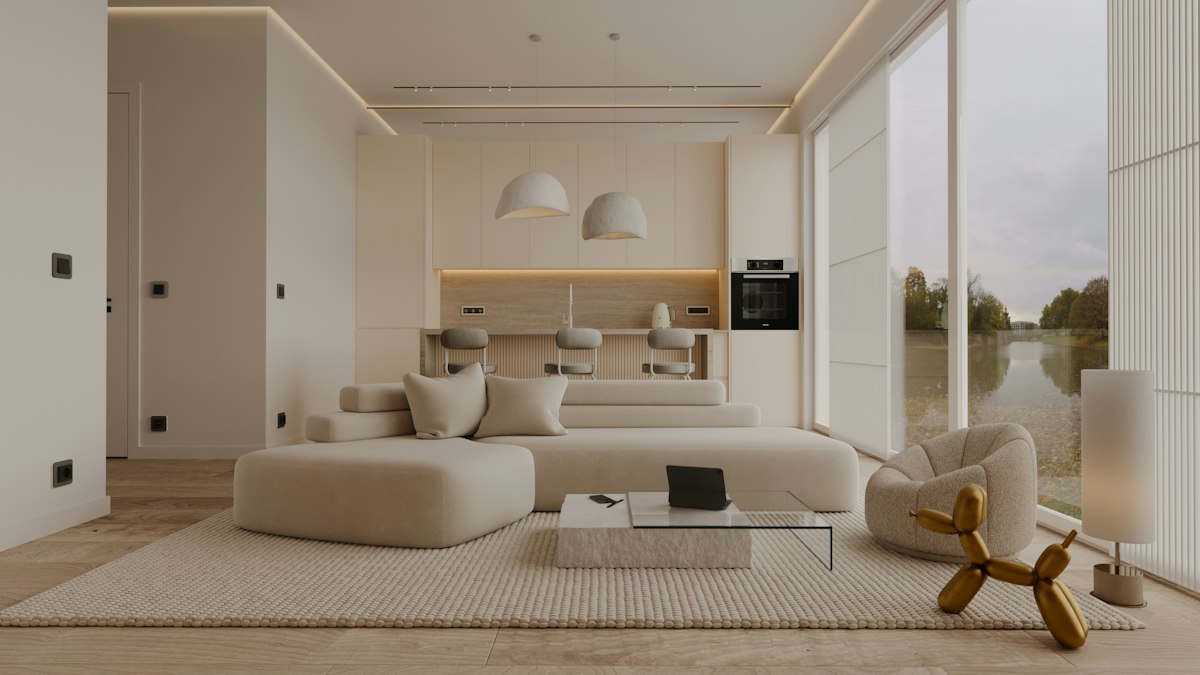
Redefining Sophistication: The Essentials of Modern Luxury Home Decor
Creating a living space that feels both expensive and comfortable is a delicate balancing act. For many homeowners, the challenge lies in moving away from the stiff, museum-like interiors of the past and toward a style that feels curated, personal, and effortlessly high-end. Modern luxury home decor is no longer just about displaying wealth; it is about the intentional selection of materials, the mastery of light, and the pursuit of a lifestyle that prioritizes quality over sheer volume.
The shift toward what many call "quiet luxury" has changed the way we approach interior design. Instead of gold-plated everything and heavy velvet drapes, the modern aesthetic focuses on clean lines, rare textures, and a seamless integration of technology. It is a design philosophy where every object has a purpose and every finish tells a story of craftsmanship. If you are looking to elevate your home, understanding these nuances is the first step toward a transformative result.
Related posts
Best Vinyl Flooring for Hospital Environments: Selection Criteria, Types, and Technical Performance
Selecting flooring for a medical facility presents an unforgiving set of demands. Healthcare administrators, facility directors, and interior...
Read more →
Rubber Mat Flooring Price: Costs, Formats, and Hidden Expenses
Setting out to purchase rubber flooring often starts with a straightforward assumption: because it is primarily rubber, pricing...
Read more →
Engineered Wood Flooring Cost: Complete Price Breakdown and Budget Planning
Planning a flooring renovation brings exciting design choices, but figuring out the true financial commitment can quickly become...
Read more →
Selecting the Best Raised Floor: Performance Standards and Material Comparisons
When designing a data center, a command center, or a high-spec office space, the floor beneath your feet...
Read more →In this discussion, we will explore the fundamental elements that define a high-end modern home. We will look at how to select investment furniture, the importance of architectural lighting, and how to use natural materials to create a sensory experience. Whether you are starting a full renovation or looking to refresh a single room, these principles provide a roadmap for achieving a sophisticated, timeless environment that resonates with contemporary sensibilities.
Key takeaways
- Focus on materiality by prioritizing natural stones, high-quality woods, and artisanal textiles that offer tactile depth.
- Implement layered lighting strategies to highlight architectural features and create a mood that adapts to the time of day.
- Adopt a curated minimalism approach, where fewer, higher-quality pieces take center stage over cluttered decor.
- Invest in bespoke or limited-edition furniture to ensure your home feels unique and tailored to your specific lifestyle.
The Evolution of Modern Luxury
Modern luxury has evolved from the flashy, ornamental styles of the late 20th century into a more refined and understated aesthetic. Today, luxury is defined by the space itself—the height of the ceilings, the flow of the floor plan, and the abundance of natural light. It is about creating an environment that feels like a sanctuary. This evolution means that homeowners are now looking for pieces that offer both aesthetic beauty and functional longevity.
One of the primary drivers of this change is the appreciation for authentic craftsmanship. In an era of mass production, having a hand-carved marble coffee table or a hand-knotted wool rug provides a sense of rarity. Modern luxury home decor emphasizes the "human touch." It is the slight imperfection in a hand-blown glass light fixture or the unique grain in a slab of walnut that makes a space feel truly high-end.
The Palette of Sophistication
The color story of a luxury home is often misunderstood. While many people assume luxury requires bold, dramatic colors, the most successful modern interiors often rely on a sophisticated neutral base. Think of shades like warm taupe, charcoal gray, off-white, and mushroom. These colors provide a calm backdrop that allows the quality of your furniture and art to stand out.
However, a neutral palette does not mean a boring one. The secret to making neutrals look expensive is texture. A room decorated entirely in shades of beige can look incredibly luxurious if it features a mix of silk, linen, leather, and stone. When the eye isn't distracted by loud colors, it begins to notice the subtle differences in how light hits a bouclé sofa versus a polished marble hearth. This sensory layering is what creates that "expensive" feel.
Accent Colors and Metal Finishes
When you do introduce color, it should be done with restraint. Deep jewel tones like emerald green, navy blue, or burnt orange can work beautifully as accents in pillows, throws, or a single piece of statement furniture. Metals also play a significant role. In modern luxury decor, we see a move away from shiny chrome toward more matte or brushed finishes. Antiqued brass, blackened steel, and brushed bronze add a layer of warmth and industrial chic that feels grounded and permanent.
Investing in Statement Furniture
In a luxury home, furniture is more than just a place to sit; it is a functional sculpture. When selecting pieces, the focus should be on the silhouette and the quality of construction. Iconic mid-century modern pieces often find a home here, but the real hallmark of a luxury interior is the bespoke element. Custom-made sofas that fit the exact dimensions of your living room or a dining table commissioned from a local artisan elevate the space beyond what can be bought in a showroom.
Consider the "hero" pieces of each room. In the living room, this might be an oversized, modular sofa with deep seating. In the dining room, a heavy stone table with a sculptural base. These pieces should be high-quality enough to last decades. The goal is to move away from "fast furniture" and toward items that gain character as they age. Look for solid wood frames, top-grain leathers, and high-rub-count fabrics that can withstand daily use while maintaining their elegance.
The Science of Luxury Lighting
Lighting is perhaps the most overlooked element of home decor, yet it is the one that has the greatest impact on how a space feels. A single overhead light source is the enemy of luxury. Instead, modern high-end homes utilize layered lighting. This involves three distinct types: ambient, task, and accent lighting.
Ambient lighting provides the general illumination, often through recessed cans or large, soft fixtures. Task lighting is functional, such as a designer desk lamp or under-cabinet LEDs in a kitchen. Accent lighting is where the magic happens. This includes picture lights for artwork, floor lamps that cast dramatic shadows, and strip lighting hidden in ceiling coves or under furniture. By controlling these layers independently, you can transform a bright, functional kitchen into a moody, intimate lounge space for evening entertaining.
Smart Lighting Integration
Technology is a silent partner in modern luxury. High-end homes often feature automated lighting systems that allow you to set "scenes." With the touch of a button, the blinds can close, the overhead lights can dim to 20%, and the accent lights can highlight your favorite sculptures. This level of control and convenience is a hallmark of the modern luxury experience, making the home adapt to your needs rather than the other way around.
Natural Materials and Biophilic Design
There is an inherent luxury in nature. Bringing the outdoors in—a concept known as biophilic design—is a staple of modern high-end interiors. This goes beyond just adding a few potted plants. It involves the large-scale use of natural materials like marble, granite, travertine, and various hardwoods. The presence of these materials creates a psychological connection to the earth, which promotes a sense of well-being and calm.
In a modern luxury kitchen, for example, you might see a waterfall island made from a single, book-matched slab of Calacatta marble. In the bathroom, a soaking tub carved from solid stone. These materials are heavy, cold to the touch, and visually complex. They provide a sense of permanence that synthetic materials simply cannot replicate. Wood also plays a major role, with wide-plank oak flooring or walnut wall paneling adding warmth and organic texture to otherwise sharp, modern lines.
Curating Art and Accessories
The final layer of modern luxury home decor is the curation of art and accessories. This is where your personality truly shines. In a luxury context, less is almost always more. Instead of a gallery wall with twenty small frames, consider one massive, original canvas that commands the entire room. Large-scale art creates a focal point and gives the room a sense of grandeur.
Accessories should be treated with the same level of scrutiny. A few well-placed items, such as a heavy crystal vase, a hand-turned wooden bowl, or a collection of vintage books, are more effective than a shelf full of mass-produced trinkets. Each item should feel like it was collected over time, perhaps during travels or from specific galleries. This creates a narrative of a life well-lived, which is the ultimate luxury.
The Importance of Negative Space
One of the most significant differences between a standard home and a luxury home is the use of negative space. This refers to the empty areas around and between the furniture. In a high-end interior, the room is allowed to "breathe." There is no pressure to fill every corner or cover every wall. Negative space emphasizes the importance of the pieces you have chosen, making them feel more like art and less like household items. It also creates a sense of physical and mental clarity, which is a rare commodity in the modern world.
Common Pitfalls to Avoid
Even with a significant budget, it is easy to make mistakes that undermine the luxury feel of a home. One common error is over-the-top branding. While designer items are great, a room filled with logos can feel cheap rather than sophisticated. Another pitfall is ignoring the sensory details. If a room looks beautiful but has poor acoustics or an unpleasant scent, the luxury experience is broken. Consider acoustic panels, high-quality candles or diffusers, and soft-close hardware on all cabinetry to ensure the home feels as good as it looks.
FAQ
How can I make my home look luxurious on a smaller budget?
Focus on the "touch points"—the things you interact with daily. Replace standard plastic light switches with metal ones, upgrade your cabinet hardware to solid brass, and invest in high-quality linens and towels. Painting a room in a rich, sophisticated neutral and decluttering to create more negative space will also instantly elevate the feel of your home without requiring a massive investment.
What is the difference between modern and contemporary luxury?
Modern design refers to a specific historical period (mostly the early to mid-20th century) and is characterized by clean lines, natural materials, and functionalism. Contemporary design refers to what is popular right now. In the context of luxury, these two often overlap, but modern luxury tends to be more rooted in architectural principles and timeless materials, whereas contemporary luxury might incorporate more fleeting trends and experimental shapes.
Is minimalism necessary for a luxury look?
Minimalism is a popular path to luxury because it emphasizes quality over quantity, but it is not the only way. You can have a "maximalist" luxury home, provided that the items are curated and of high quality. The key is intentionality. Whether you have five items in a room or fifty, each one must be there for a reason and contribute to the overall aesthetic harmony.
What are the most durable luxury materials?
For flooring, engineered hardwood and natural stone like quartzite are incredibly durable. For upholstery, look for "performance" fabrics that are treated to be stain-resistant but still feel like high-end linen or velvet. Quartz is often preferred over marble for kitchen countertops because it is non-porous and resistant to scratching and staining, while still offering the look of natural stone.
Conclusion
Modern luxury home decor is a journey toward creating a space that reflects your highest standards and most personal tastes. It is not about following every trend, but about understanding the principles of balance, quality, and comfort. By focusing on exceptional materials, thoughtful lighting, and the power of negative space, you can transform any house into a sophisticated sanctuary. Remember that true luxury is found in the details—the way a door handle feels in your hand, the way the light hits a textured wall at sunset, and the peace of mind that comes from a well-ordered, beautiful environment. Start with one room, focus on quality, and let your home evolve into a masterpiece of modern living.