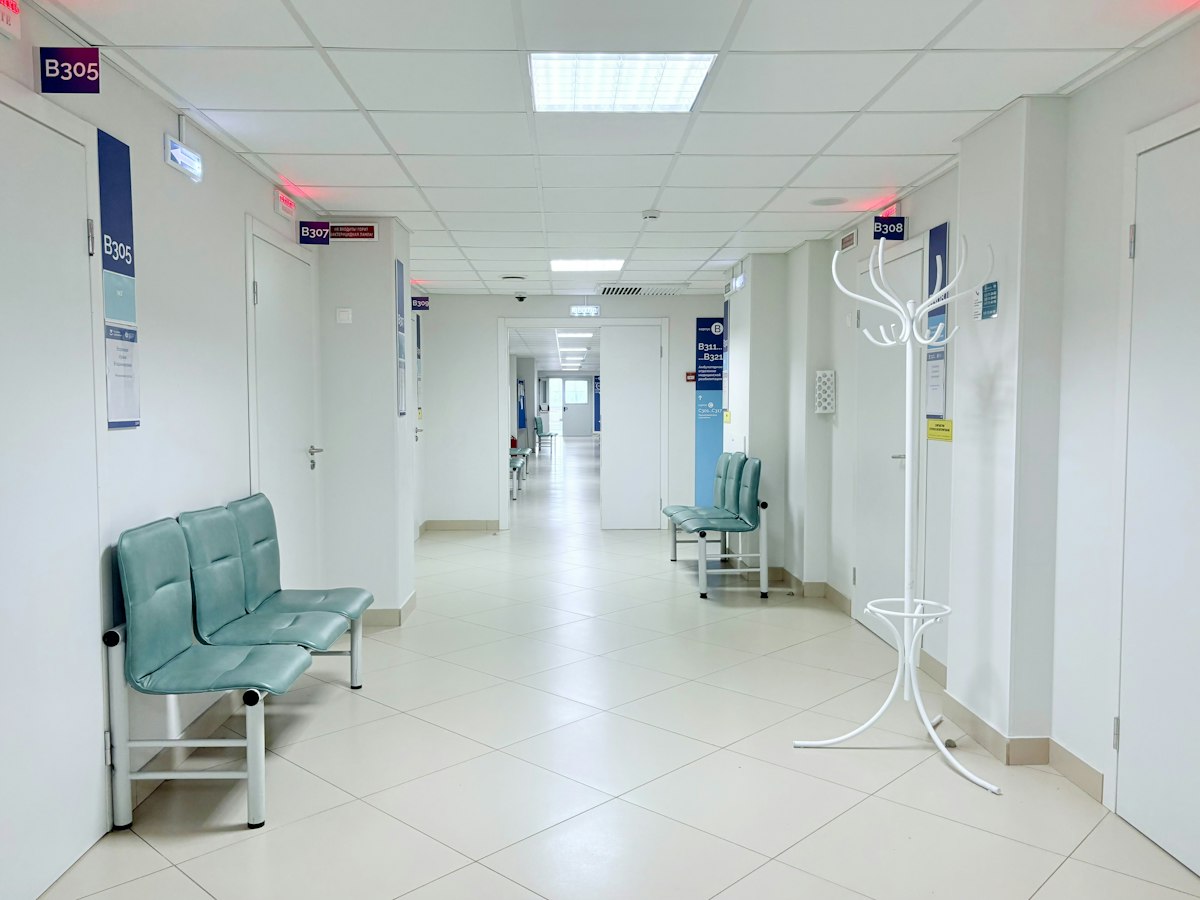
Best Vinyl Flooring for Hospital Environments: Selection Criteria, Types, and Technical Performance
Selecting flooring for a medical facility presents an unforgiving set of demands. Healthcare administrators, facility directors, and interior architects must balance sterile infection control mandates against round-the-clock foot traffic, heavy equipment transport, and demanding cleaning regimens. A failure in floor integrity is not merely an aesthetic blemish; it can harbor life-threatening pathogens, compromise cleanroom airflow, or create trip hazards that endanger patients and staff.
Among commercial surfaces, resilient vinyl flooring consistently emerges as the primary specification across acute care networks, outpatient surgery centers, and specialized clinics. Its ability to create continuous, impermeable surfaces makes it unmatched for maintaining strict sanitary protocols. However, treating commercial vinyl as a singular, catch-all category leads to expensive specification errors.
Related posts

Rubber Mat Flooring Price: Costs, Formats, and Hidden Expenses
Setting out to purchase rubber flooring often starts with a straightforward assumption: because it is primarily rubber, pricing...
Read more →
Engineered Wood Flooring Cost: Complete Price Breakdown and Budget Planning
Planning a flooring renovation brings exciting design choices, but figuring out the true financial commitment can quickly become...
Read more →
Redefining Sophistication: The Essentials of Modern Luxury Home Decor
Creating a living space that feels both expensive and comfortable is a delicate balancing act. For many homeowners,...
Read more →
Selecting the Best Raised Floor: Performance Standards and Material Comparisons
When designing a data center, a command center, or a high-spec office space, the floor beneath your feet...
Read more →Different hospital departments experience wildly contrasting pressures. An intensive care unit requires seamless hygiene and high chemical resistance against Betadine and medical disinfectants. Meanwhile, an orthopedic corridor demands superior resistance to heavy rolling loads from bariatric beds and diagnostic machinery, and a pediatric ward requires underfoot comfort and noise reduction. Choosing the best vinyl flooring for hospital installations requires matching specific polymer formulations and construction types to exact clinical demands.
This review details the leading commercial vinyl options engineered for healthcare facilities, breaking down structural performance, maintenance realities, compliance benchmarks, and practical budget considerations.
Key takeaways
- Homogeneous sheet vinyl remains the gold standard for clinical, sterile, and wet environments due to its solid through-pattern wear layer, seamless heat welding, and non-porous structure.
- Heterogeneous sheet vinyl delivers superior acoustic absorption and expansive design versatility, making it ideal for patient recovery rooms, nursing stations, and outpatient corridors.
- Luxury vinyl tile (LVT) offers fast installation and modular repair, but should generally remain restricted to administrative suites, cafeterias, and dry waiting rooms due to vulnerable seams.
- Flooring longevity depends heavily on flash coving, proper heat-welded seams, and resistance to static loads exceeding 1,000 to 2,000 PSI to handle heavy diagnostic carts and patient beds.
The Primary Contenders: Homogeneous vs. Heterogeneous Sheet Vinyl
When engineering clean and sterile hospital environments, sheet vinyl is the industry baseline. Unlike modular planks or tiles, sheet flooring reduces the total number of floor joints across vast square footage. The selection fundamentally splits into two categories: homogeneous and heterogeneous sheet vinyl.
Homogeneous Sheet Vinyl: The Clinical Powerhouse
Homogeneous sheet vinyl consists of a single, uniform layer of high-grade polyvinyl chloride (PVC) blended with plasticizers, stabilizers, and mineral fillers. The color and pattern extend throughout the entire thickness of the material, typically ranging from 2.0 mm to 2.5 mm.
Because the wear layer is effectively the entire sheet, this material does not wear away in high-traffic zones. If a sharp medical cart gouges or scratches the surface, the color remains identical, and the material can be dry-buffed back to a smooth, non-porous finish without stripping or re-waxing. This self-renewing surface makes homogeneous vinyl the premier choice for:
- Operating rooms and surgical suites
- Intensive Care Units (ICUs) and Trauma bays
- Emergency department treatment rooms
- Central sterile processing departments
- Isolation wards and cleanrooms
The primary advantage of homogeneous vinyl is its chemical and stain defense. When exposed to harsh sterilants, isopropyl alcohol, and iodine solutions, factory-applied polyurethane (PUR) or UV-cured coatings protect against deep discoloration. Furthermore, it easily tolerates integral flash coving—running the floor up the wall 4 to 6 inches—preventing fluids from settling into floor-wall perimeters.
Heterogeneous Sheet Vinyl: Acoustic Comfort and Visual Warmth
Heterogeneous sheet vinyl features a multi-layered construction. It typically incorporates a compact backing layer, a reinforced fiberglass stabilization grid, a high-definition decorative print film, and a clear, heavy-duty commercial wear layer on top. Advanced versions also integrate high-density acoustic foam backing layers.
This layered structure allows heterogeneous vinyl to absorb footfall noise and rolling cart clatter, delivering sound impact reduction ratings often between 15 dB and 19 dB. In patient recovery wings, sound mitigation is directly correlated with patient sleep quality, blood pressure stabilization, and overall healing rates.
Heterogeneous vinyl fits best in zones where clinical hygiene remains mandatory, but acoustic warmth and a non-institutional atmosphere are priorities:
- Inpatient recovery rooms and corridors
- Maternity and neonatal support suites
- Behavioral health and rehab centers
- Long-term care facilities and skilled nursing spaces
The limitation of heterogeneous vinyl lies in long-term wear depth. If a gouge cuts through the transparent top wear layer, it damages the print film underneath, requiring section welding or patch replacement rather than surface dry-buffing.
The Role of Luxury Vinyl Tile (LVT) in Hospitals
Luxury Vinyl Tile and Plank (LVT/LVP) have transformed commercial interiors, offering wood, stone, and woven textile patterns at competitive price points. In a hospital, however, LVT must be deployed with strict discipline.
The issue is simple: seams. Every plank edge represents an interruption in the moisture barrier. In clinical environments where bodily fluids, wash water, and chemical strippers are standard, liquids can seep into seams, degrading adhesives and creating breeding grounds for bacterial colonization and mold underneath the substrate.
For these reasons, commercial healthcare standards discourage LVT in areas subject to heavy rolling loads, continuous wet cleaning, or strict infection control protocols. However, LVT is a sensible, cost-effective choice for:
- Main entrance lobbies and welcoming atriums
- Administrative offices, boardrooms, and staff break rooms
- Outpatient consultation offices (non-procedural)
- Hospital gift shops and perimeter dining halls
In these dry, public-facing zones, LVT provides simple maintenance, rapid piece-by-piece replacement if damage occurs, and a hospitality-inspired aesthetic that relieves clinical anxiety.
Essential Technical Performance Criteria for Hospital Vinyl
Selecting the best vinyl flooring involves rigorous evaluation of technical data sheets. Flooring in healthcare facilities must withstand physical abuse that would destroy standard commercial finishes.
Static and Rolling Load Resistance (ASTM F970)
Hospital beds, motorized gurneys, mobile X-ray units, and loaded dietary carts place immense static and dynamic pressure on the floor. Standard commercial vinyl often handles static loads between 250 and 500 PSI. In a healthcare facility, this is inadequate; heavy casters will leave permanent indents, making carts difficult to push and creating uneven surfaces.
Hospital-grade sheet vinyl should achieve a modified ASTM F970 test rating of at least 1,000 to 2,500 PSI with minimal residual indentation. Rigid backing layers and high-density vinyl formulations prevent caster tracking and ensure effortless rolling efficiency for staff transport.
Seam Integrity: Hot Air Welding and Chemical Cold Welding
Infection prevention demands that the floor acts as a monolithic basin. To accomplish this, sheet vinyl rolls must be joined using hot air welding techniques. A color-matched PVC welding rod is melted into grooved seams using specialized heat guns, fusing the edges into a continuous, impenetrable bond.
The weld must be skived flush with the floor surface. A seam that is under-skived creates a bump that catches cart wheels; an over-skived seam creates a microscopic valley that collects dirt and bio-contaminants. Flash coving combined with heat-welded seams prevents wash-down liquids from entering wall cavities during clinical cleanings.
Stain and Chemical Resistance
Hospital floors encounter harsh staining agents daily. Betadine, blood, chlorhexidine, quaternary ammonium compounds, bleach solutions, and hand sanitizers will degrade untreated vinyl. Look for vinyl finished with an advanced UV-cured, cross-linked polyurethane (PUR) surface treatment. This factory-applied layer eliminates the need for floor finish or wax, reducing lifecycle labor expenses while providing an impermeable barrier against stain absorption.
Static Control: ESD and Static Dissipative Flooring
In spaces housing sensitive computerized medical equipment—such as MRI suites, CT scanning rooms, operating theatres, and cardiac catheterization laboratories—electrostatic discharge (ESD) presents serious operational risks. Static shock can disrupt delicate sensors, corrupt diagnostic readings, or cause microchip failures.
In these dedicated environments, facility planners must specify Static Dissipative Tile (SDT) or conductive homogeneous sheet vinyl. These floors integrate carbon veins and conductive backing tied directly into the building's grounding busbar, safely draining static electricity generated by staff movement before it can interfere with life-support apparatus.
Comparative Overview of Hospital Vinyl Flooring Options
| Flooring Type | Primary Advantages | Disadvantages | Best Hospital Applications | Estimated Material & Install Cost |
|---|---|---|---|---|
| Homogeneous Sheet Vinyl | Through-pattern durability, seamless heat welding, fully non-porous, restorative dry-buffing. | Higher installation skill required, limited decorative wood/stone designs. | Operating rooms, ICUs, sterile processing, trauma bays, emergency corridors. | $8.00 – $15.00 per sq. ft. |
| Heterogeneous Sheet Vinyl | Superior sound dampening, diverse visual prints, comfortable underfoot, excellent stain resistance. | Cannot be buffed to renew worn patterns; requires patching if gouged deeply. | Patient recovery rooms, pediatric wards, corridors, nursing stations. | $7.00 – $13.00 per sq. ft. |
| Conductive / ESD Sheet Vinyl | Protects sensitive electronic equipment, drains static charges safely, cleanroom rated. | Strict subfloor grounding requirements, higher cost, utilitarian aesthetics. | Diagnostic imaging rooms, MRI control rooms, hybrid ORs, tech-dense labs. | $11.00 – $20.00 per sq. ft. |
| Commercial LVT / LVP | Modular replacement, fast install, realistic natural visuals, budget-friendly. | Seams permit fluid penetration; vulnerable to caster displacement under extreme loads. | Main lobbies, administrative offices, doctor lounges, hospital gift shops. | $5.00 – $9.50 per sq. ft. |
Total Cost of Ownership: Initial Price vs. Maintenance Realities
Focusing strictly on initial procurement and installation costs is a common mistake in healthcare flooring management. The upfront material and labor charges account for only 10% to 15% of the total cost of ownership over a standard 15- to 20-year floor lifecycle. The true cost center lies in routine maintenance, downtime during recoating, and premature replacement.
Traditional vinyl composition tile (VCT) may feature an attractive initial purchase price, often below $4.00 per square foot installed. However, VCT demands constant stripping, waxing, and burnishing using chemical solutions. This maintenance schedule requires closing off departments, displacing beds, disrupting revenue-generating clinical services, and releasing volatile organic compounds (VOCs) that degrade indoor air quality.
High-performance homogeneous and heterogeneous sheet vinyl featuring modern PUR coatings eliminates the need for chemical strippers and floor polish. Cleaning requires only neutral detergents, microfiber mopping, and automated scrubbers with non-abrasive pads. Facility managers routinely recoup the higher initial cost of commercial sheet vinyl within three to five years through dramatic labor savings, reduced chemical purchases, and minimized room vacancy.
Installation Best Practices That Guarantee Compliance
Even the highest-grade vinyl flooring will deteriorate prematurely if installed incorrectly. Healthcare environments demand rigorous floor preparation:
- Moisture Mitigation: Concrete subfloors must undergo relative humidity (RH) testing according to ASTM F2170. High moisture emissions push alkaline salts up to the adhesive bed, causing bubbling, seam separation, and adhesive breakdown. High-performance epoxy moisture barriers are mandatory whenever readings exceed manufacturer limits.
- Subfloor Leveling: High-traffic rolling loads amplify any imperfections underneath the sheet. Floor leveling compounds must be rated for high compressive strength (typically 3,500 to 5,000 PSI) to prevent crumbling beneath heavy bed traffic.
- Coving Details: Wall bases in patient treatment and wet rooms should always feature pencil cove fillets supporting integral flash coving, finished with a neat capping strip. This eliminates the 90-degree corner where grime and pathogens naturally collect.
Frequently asked questions
Can luxury vinyl tile be safely used in hospital patient rooms?
While some outpatient facilities utilize LVT in patient rooms, major acute care hospitals advise against it. Patient rooms face chemical spills, bodily fluids, and frequent heavy wash-downs. Fluid can seep between plank joints over time, loosening the adhesive and harboring micro-organisms. Seamless heterogeneous or homogeneous sheet vinyl remains the preferred, low-risk choice for patient recovery suites.
How does sheet vinyl help with hospital infection control?
Sheet vinyl supports infection control through seamless, monolithic installations. By hot-welding every seam and flash-coving the material up the base of the wall, the flooring eliminates cracks, voids, and porous surfaces where microbes, bacteria, and moisture can settle. Modern PUR protective coatings also prevent bio-fluids from penetrating into the vinyl substrate, making disinfection quick and effective.
What is the difference between homogeneous and heterogeneous vinyl in hospital settings?
Homogeneous vinyl has a single, solid composition throughout its entire thickness, allowing it to be buffed repeatedly to restore its finish even under severe wear. Heterogeneous vinyl is layered, containing a backing layer, an acoustic or structural layer, a printed design layer, and a clear protective wear layer. Homogeneous vinyl excels in sterile operating zones, while heterogeneous vinyl is favored in patient rooms for better sound absorption and aesthetic variety.
What static load limit should hospital corridor flooring have?
Flooring in hospital corridors should feature an ASTM F970 static load limit of at least 1,000 PSI, with many high-traffic healthcare specifications requiring ratings between 1,500 and 2,500 PSI. This high tolerance prevents permanent indentation and surface tracking caused by bariatric beds, heavy imaging carts, and supply gurneys.
Conclusion
Determining the best vinyl flooring for a hospital requires looking past surface design and evaluating the daily physical realities of each healthcare zone. Sterile, procedural, and heavy-traffic clinical zones demand the uncompromising resilience, repairability, and seamless purity of homogeneous sheet vinyl with flash-coved baseboards and heat-welded joints. For inpatient corridors and recovery spaces, heterogeneous sheet vinyl provides the sound mitigation and calming visual environments essential for healing, without sacrificing chemical resistance.
By reserving modular LVT exclusively for dry administrative and reception zones, and by specifying high-performance polyurethane wear coatings that eliminate the costs of waxing, healthcare facilities can secure an asset that protects patient health, streamlines daily maintenance, and stands up to decades of non-stop clinical operation.