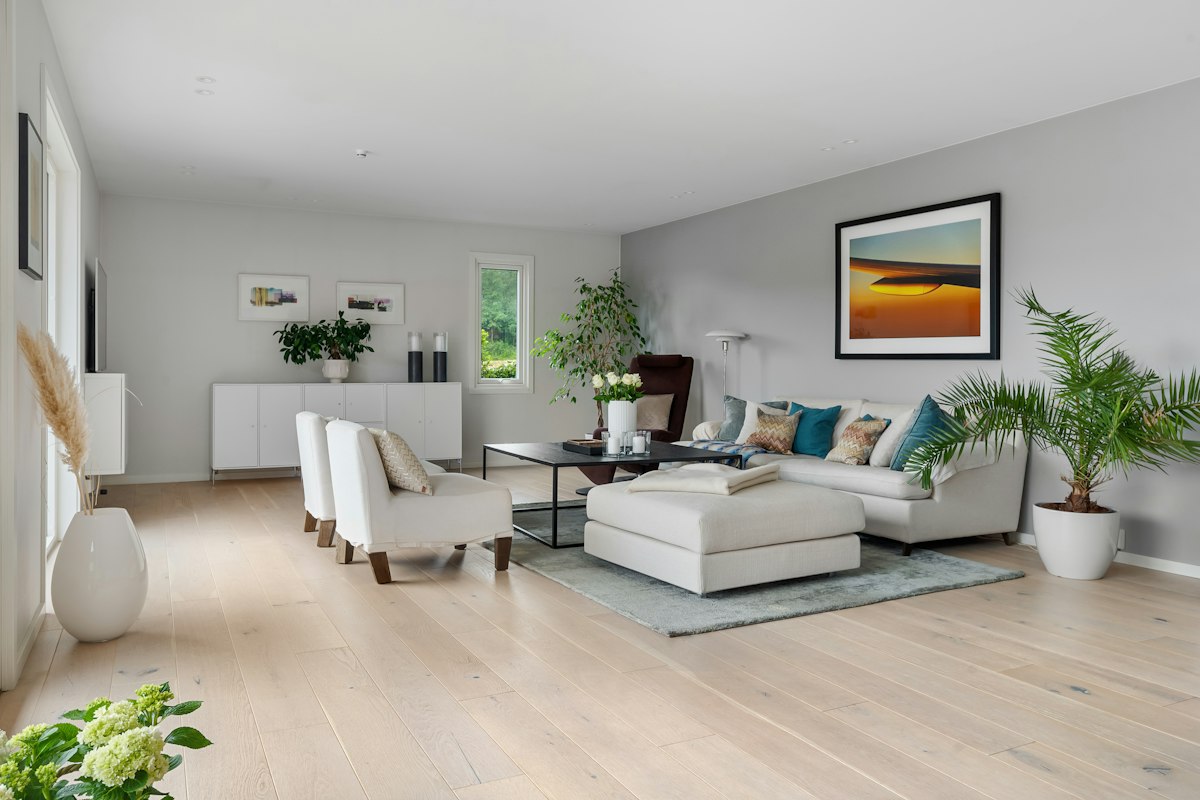
Engineered Wood Flooring Cost: Complete Price Breakdown and Budget Planning
Planning a flooring renovation brings exciting design choices, but figuring out the true financial commitment can quickly become overwhelming. Engineered hardwood provides the genuine warmth of real timber combined with structural stability that resists temperature fluctuations and moisture better than traditional solid planks. When homeowners start pricing out materials, they frequently encounter wildly divergent numbers ranging from bargain-basement liquidator rates to luxury showroom quotes.
Understanding what drives these price discrepancies is the best way to avoid budget shock. The total investment involves far more than simply multiplying your room dimensions by the advertised square-foot price on a display rack. You must factor in timber species, wear layer thickness, core board engineering, subfloor preparation, fasteners, underlayment, and regional labor rates.
Related posts
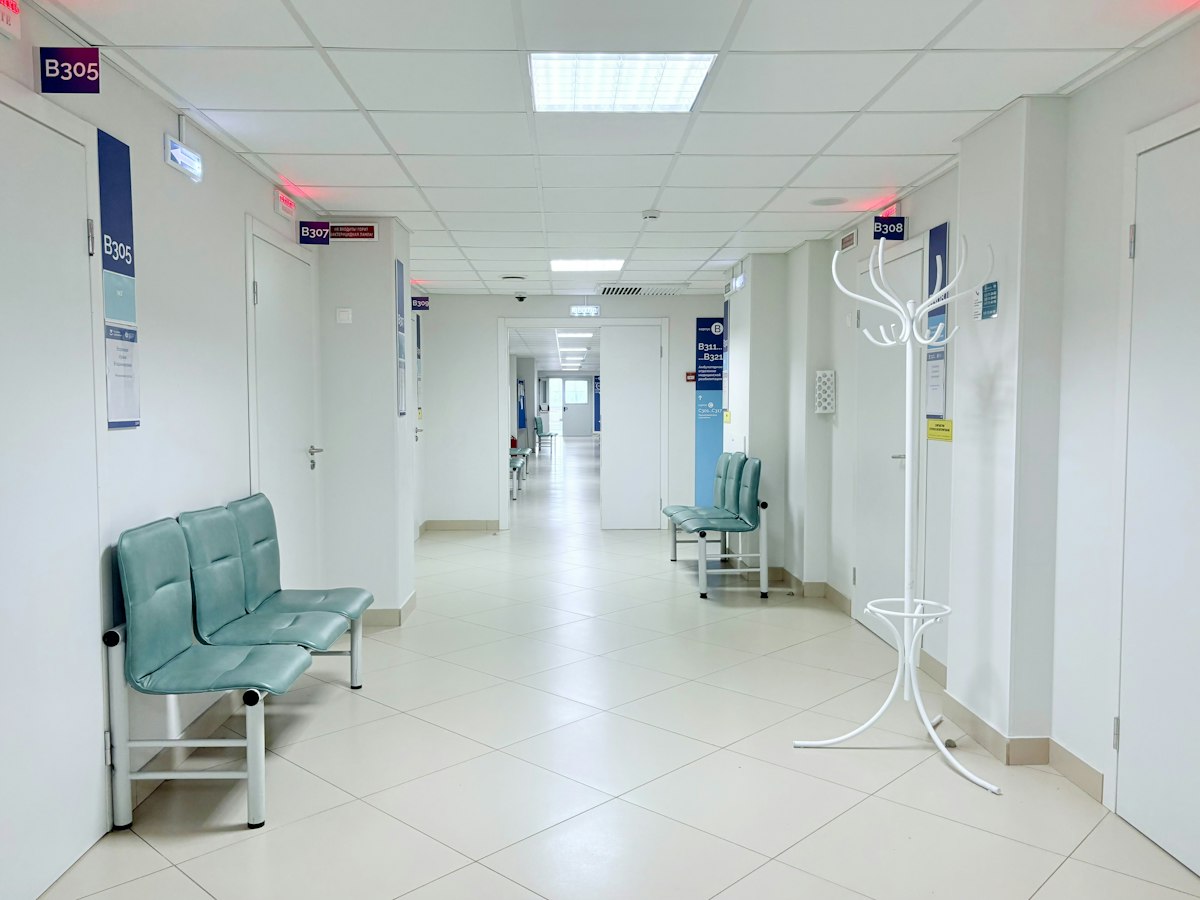
Best Vinyl Flooring for Hospital Environments: Selection Criteria, Types, and Technical Performance
Selecting flooring for a medical facility presents an unforgiving set of demands. Healthcare administrators, facility directors, and interior...
Read more →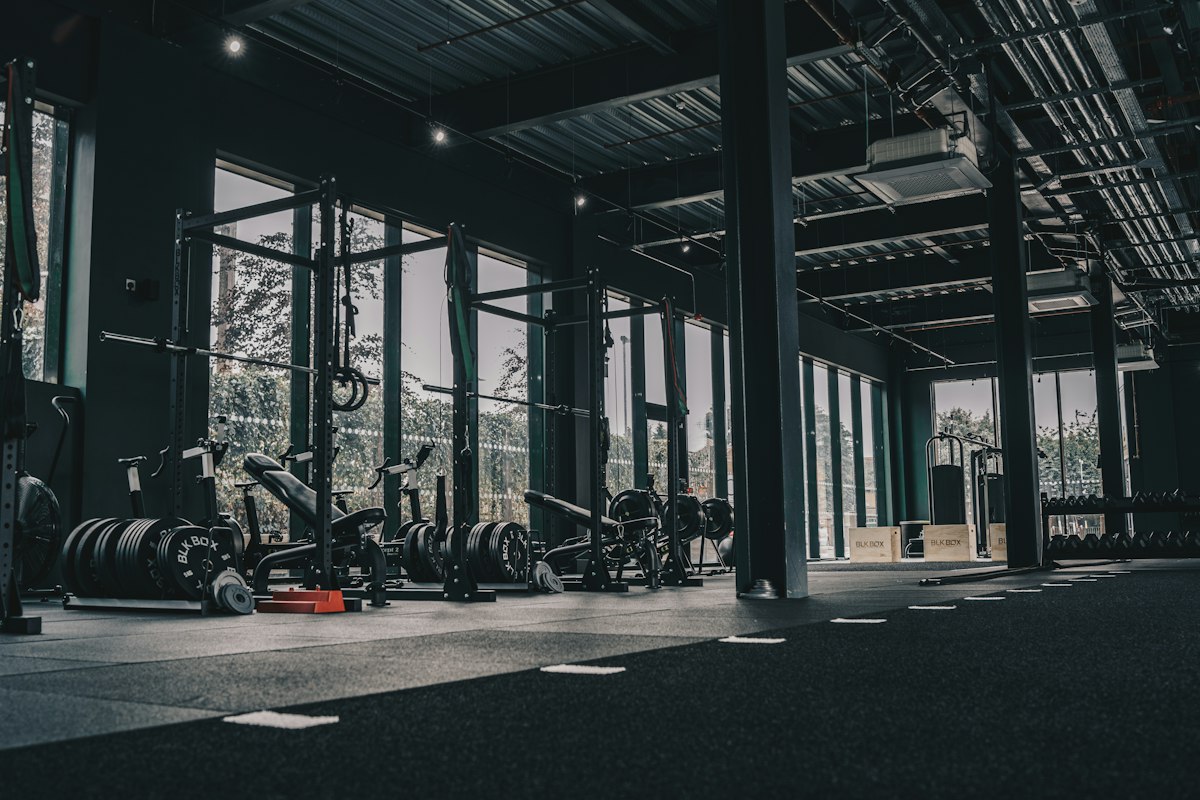
Rubber Mat Flooring Price: Costs, Formats, and Hidden Expenses
Setting out to purchase rubber flooring often starts with a straightforward assumption: because it is primarily rubber, pricing...
Read more →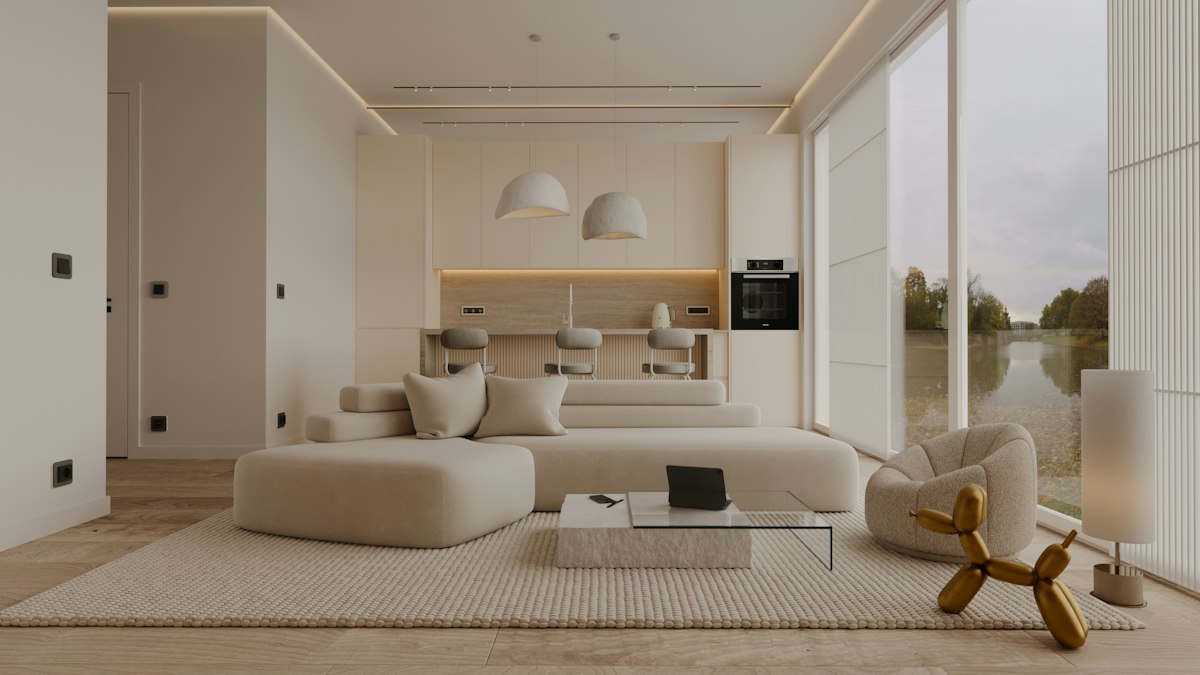
Redefining Sophistication: The Essentials of Modern Luxury Home Decor
Creating a living space that feels both expensive and comfortable is a delicate balancing act. For many homeowners,...
Read more →
Selecting the Best Raised Floor: Performance Standards and Material Comparisons
When designing a data center, a command center, or a high-spec office space, the floor beneath your feet...
Read more →A realistic assessment reveals that most homeowners spend between $8 and $18 per square foot for professional supply and installation. Projects utilizing economy materials installed over pristine existing subfloors can slide in near the lower end, while premium wide-plank French white oak glued directly to uneven concrete will push toward the higher boundary or beyond.
Below, you will find an exhaustive breakdown of material tiers, labor expectations, auxiliary installation expenses, and practical strategies to maximize your investment without sacrificing structural longevity.
Key takeaways
- Average total expense: Expect to spend between $4.50 and $16.00 per square foot for materials, plus $3.00 to $8.00 per square foot for professional installation.
- Wear layer dictates value: Thicker top veneers (3mm to 6mm) carry higher upfront costs but allow for multiple refinishing cycles over decades.
- Installation method matters: Floating floor installations are the most budget-friendly, whereas full-trowel glue-down systems on concrete slabs demand significantly more labor and material expenditure.
- Factor in hidden prep: Leveling compounds, moisture testing, baseboard carpentry, and old floor removal routinely add 15% to 25% to initial estimates.
Average Cost Breakdown: Materials vs. Labor
To build an accurate budget, you need to separate the raw timber products from the skilled physical labor required to set them. Both components represent distinct pricing tiers based on quality, technique, and existing room conditions.
Material Price Tiers
Engineered hardwood materials fall into three distinct quality brackets based on veneer sourcing, core construction, and board sizing:
- Basic (Entry-Level): $3.00 to $5.50 per square foot. These options typically feature a thin rotary-peeled wear layer of 1mm to 2mm over a high-density fiberboard (HDF) or 3-ply softwood core. Planks tend to be narrow (around 3 inches wide) with shorter random lengths and synthetic-looking aluminum oxide finishes.
- Mid-Range: $6.00 to $10.00 per square foot. The sweet spot for most residential renovations. Planks offer a dry-sawn wear layer between 2.5mm and 4mm set over a multi-ply Baltic birch or eucalyptus core. Widths generally range from 5 to 7 inches with longer plank specifications and nuanced wire-brushed or matte polyurethane coatings.
- High-End (Architectural Grade): $10.50 to $18.00+ per square foot. Premium selections boast thick 4mm to 6mm sawn wear layers identical in appearance to solid hardwood. Boards often measure 7 to 10 inches wide, reach up to 8 feet in length, and incorporate specialized finishes like natural penetrating oils, smoked treatments, and heavy hand-scraping.
Labor and Installation Rates
Professional labor generally costs between $3.00 and $8.50 per square foot. Where your quote lands inside that bracket depends largely on the attachment method specified by the manufacturer and your home's foundation type.
Floating installation ($3.00 to $5.00 per sq. ft.): Planks snap together using click-lock or tongue-and-groove milling over a specialized foam or cork underlayment. Because the boards are not attached directly to the subfloor, this is the quickest method and offers the lowest labor overhead.
Nail or staple down ($4.00 to $6.50 per sq. ft.): Common over wooden subfloors, installers mechanically fasten planks using pneumatic floor nailers and specialized cleats. This creates a rock-solid acoustic profile underfoot but requires seasoned carpentry skills to maintain tight joints.
Full-spread glue down ($5.00 to $8.50 per sq. ft.): The standard procedure when laying engineered timber directly over concrete slabs. It requires costly commercial adhesives, trowels, and meticulous cleanup during installation to ensure glue does not cure on the prefinished surface.
Factors That Drive Engineered Wood Flooring Prices
Why do two boxes of flooring that look virtually identical on a showroom display carry wildly different price tags? Several technical factors deep inside the plank's structure determine its retail value.
Veneer Thickness and Cut Method
The top layer of authentic wood, known as the lamella or wear layer, is the single largest determinant of material cost. Rotary-peeled veneers are manufactured by spinning a log against a blade like a pencil sharpener, yielding thin, highly varied grain patterns at low production costs. Sliced and dry-sawn veneers cut through the timber log horizontally, replicating the classic cathedral grain and depth of traditional solid timber. Thick sawn veneers (4mm or greater) demand higher pricing because they require superior timber stock and allow future sanding and refinishing.
Wood Species Selection
Domestically abundant species like Red Oak, White Oak, Hickory, and Maple sit comfortably in the mid-range price spectrum. If you shift toward darker, slower-growing hardwoods like American Walnut, prices climb steeply due to limited forest supply. Exotic imports such as Brazilian Cherry, Tigerwood, or Cumaru carry premium transportation fees, strict import compliance duties, and complex milling requirements that elevate base costs.
Core Construction Quality
Underneath the decorative veneer sits the structural core. Budget flooring uses low-cost High-Density Fiberboard (HDF) or standard three-layer plywood, which offers limited dimensional stability if exposed to elevated moisture. Premium products use 7-ply to 11-ply marine-grade Baltic birch or high-tensile cross-layered plywood. This multi-ply design distributes stress evenly, preventing warping, cupping, or gapping when indoor humidity shifts throughout changing seasons.
Board Dimensions and Texturing
Wide planks (7 inches and wider) and long lengths (6 feet and longer) command higher prices because mills must source larger, mature logs to produce them without defects. Hand-crafted surface textures—such as genuine chatter marks, hand-carved bevels, reactive chemical staining, or dual-tone wire brushing—require manual intervention on the factory floor, adding several dollars per square foot to production runs.
Hidden and Additional Installation Expenses
When reviewing estimates from contractors, ensure you look beyond the base installation line item. Ancillary tasks frequently account for significant unexpected additions to final renovation invoices.
- Subfloor Preparation: Floors must be flat within 3/16 inch over a 10-foot radius. Grinding down high spots on concrete slabs or pouring self-leveling cement over dips costs between $1.50 and $4.00 per square foot.
- Old Flooring Removal and Disposal: Pulling up old carpet costs roughly $0.50 to $1.25 per square foot, while chipping out existing glued tile or old hardwood can run $2.50 to $5.00 per square foot including dump fees.
- Moisture Mitigation: On ground-floor or basement concrete slabs, installing an epoxy moisture barrier or heavy-mil vapor retarding underlayment is essential to protect against slab vapor emissions, running $0.75 to $2.00 per square foot.
- Transitions and Moldings: Stair noses, T-moldings, reducers, and quarter-round shoe molding must match your flooring. These custom milled transition strips cost $25 to $60 per eight-foot stick, plus trim carpentry labor.
- The Waste Factor: Always order 10% more material than your measured square footage to account for angled cuts, layout fitting, and natural board defects. For herringbone or diagonal layouts, raise this buffer to 15%.
Engineered Wood vs. Solid Hardwood vs. Luxury Vinyl Plank
How does engineered wood compare to alternative surfaces when balancing price against day-to-day performance?
Solid Hardwood: Solid wood generally costs $8 to $15 per square foot for unfinished or prefinished materials, plus $4 to $8 for installation and site finishing. While the initial investment sits slightly higher than mid-grade engineered wood, solid timber can be sanded down four to seven times over a century. However, solid timber cannot be installed below grade or directly onto concrete slabs without building an expensive sleeper subfloor.
Luxury Vinyl Plank (LVP): Vinyl plank costs between $2.50 and $6.00 per square foot for materials, with labor ranging from $1.50 to $3.50. While LVP delivers unmatched waterproofing and lower total out-of-pocket costs, it remains an artificial photographic product that does not add the same long-term real estate appraisal value or tactile prestige as genuine timber.
Engineered hardwood strikes an ideal compromise: authentic wood aesthetics, compatibility with radiant heating and concrete foundations, solid resale equity, and a lower total installed cost than site-finished solid oak.
How to Save Money on Your Flooring Project
Prudent planning allows you to lower overall expenditures without choosing flimsy, sub-par products that fail within five years.
Select traditional widths: Standard 5-inch wide planks often cost 20% to 35% less than 8-inch or 9-inch wide boards of the exact same species and grade. Sticking to standard widths significantly lowers material costs while retaining structural stability.
Handle demo work yourself: Removing existing carpet, tack strips, and baseboards does not require specialized trade certifications. Clearing the space and hauling away debris before the flooring crew arrives can save hundreds of dollars in basic labor fees.
Keep room layouts simple: Complex geometric patterns like chevron or herringbone dramatically increase cutting waste and installation time, pushing labor rates up by 50% or more. Straight plank layouts parallel to the longest wall or primary light source keep installation brisk and economical.
Frequently Asked Questions
How much does engineered wood flooring cost for a 1,000-square-foot house?
For a 1,000-square-foot project, expect a total invoice between $8,000 and $18,000 for materials, underlayment, and standard labor. If your home requires extensive subfloor leveling, old tile removal, or custom stair matching, the overall budget can expand to $20,000 to $22,000.
Can you refinish engineered wood floors, and does it impact long-term cost?
Yes, provided the wear layer is thick enough. Floors with a wear layer of 3mm can typically be sanded down and refinished once or twice, while a 4mm to 6mm layer can handle three to four refinishes over its lifespan. Floors with micro-thin wear layers under 2mm can only be lightly screened and recoated, meaning they must be replaced entirely once deeply scratched, raising lifetime costs.
Is glue-down installation more expensive than floating installation?
Yes, substantially. Glue-down installation requires specialized silane or urethane polymer adhesives that cost $150 to $250 per bucket (covering roughly 150 to 200 square feet). Additionally, installers charge an extra $1.50 to $3.00 per square foot in labor due to the physical application effort and meticulous slab cleaning involved.
How does the wood species influence the overall price?
Common North American species like White Oak and Red Oak offer balance between hardness and pricing because of abundant sustainable supply chains. Softer woods like Birch are cheaper but dent easily. Dense, decorative hardwoods like Hickory command a modest premium, while slow-growth species like American Black Walnut or imported Santos Mahogany carry substantial premiums due to high harvesting and transport costs.
Does engineered hardwood flooring add value to a home?
Yes. Real estate professionals universally treat engineered hardwood as authentic hardwood flooring when marketing properties. Unlike laminate or vinyl, quality engineered timber provides a noticeable boost to appraisal value, visual appeal, and buyer interest, often returning 70% to 80% of its initial project cost at resale.
Conclusion
Investing in engineered wood flooring delivers a balance of organic beauty, everyday durability, and residential property value. While standard material and labor rates land comfortably between $8 and $18 per square foot, paying close attention to wear layer thicknesses, core construction quality, and essential subfloor preparation ensures your budget directly serves the longevity of your home. Take the time to get multiple detailed in-person estimates, inspect physical plank samples under your home's natural lighting, and verify that all subfloor preparation requirements are clearly outlined before signing your project contract.