
High-Yield Real Estate: The Rise of Luxury Townhouse Investments
The global real estate market has witnessed a significant transformation over the last decade, with discerning investors turning their attention toward high-end residential properties that offer a blend of urban convenience and suburban space. Among these, luxury townhouses have emerged as a powerhouse asset class, bridging the gap between the compact nature of high-rise apartments and the isolation of sprawling estates. This shift is driven by a growing demand for sophisticated living environments that do not sacrifice the vibrancy of city life for the sake of privacy.
Unlike traditional single-family homes, these multi-level residences are often situated in the heart of metropolitan hubs, providing residents with immediate access to fine dining, cultural landmarks, and professional districts. This proximity to the action makes them incredibly resilient to market fluctuations, as demand for prime locations remains consistently high even during economic shifts. For those looking to anchor their capital in tangible assets, the stability of the premium townhouse sector offers a compelling narrative of growth and security.
Related posts

The Ultimate Allure of High-End Sea View Properties: A Masterclass in Coastal Living
There is an ancient, almost primal connection between the human spirit and the vastness of the ocean. For...
Read more →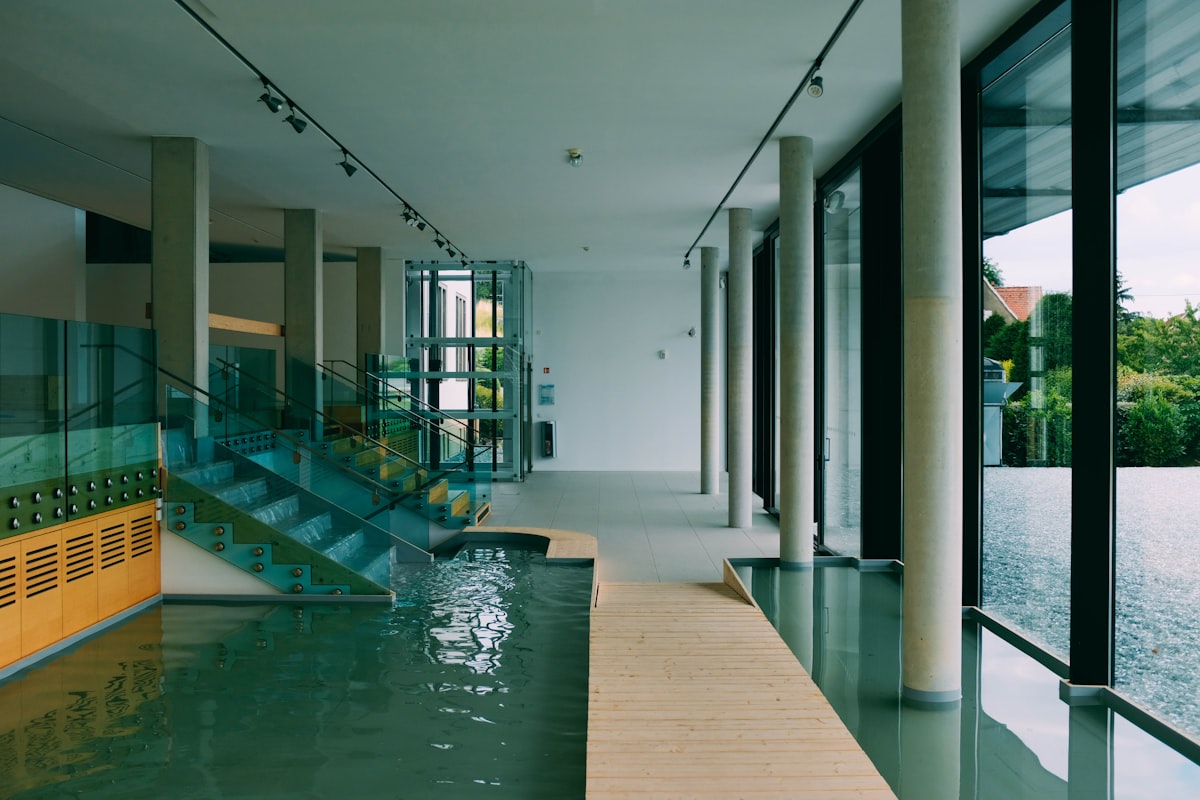
The Ultimate Wellness Retreat: Exclusive Mansions for Sale with Indoor Pools
High-end real estate has always been defined by exclusivity and the presence of features that elevate daily living...
Read more →
The Ultimate Standard of Living: Why You Should Purchase Premium Gated Community Homes
The concept of home has evolved significantly over the last decade, transitioning from a mere place of residence...
Read more →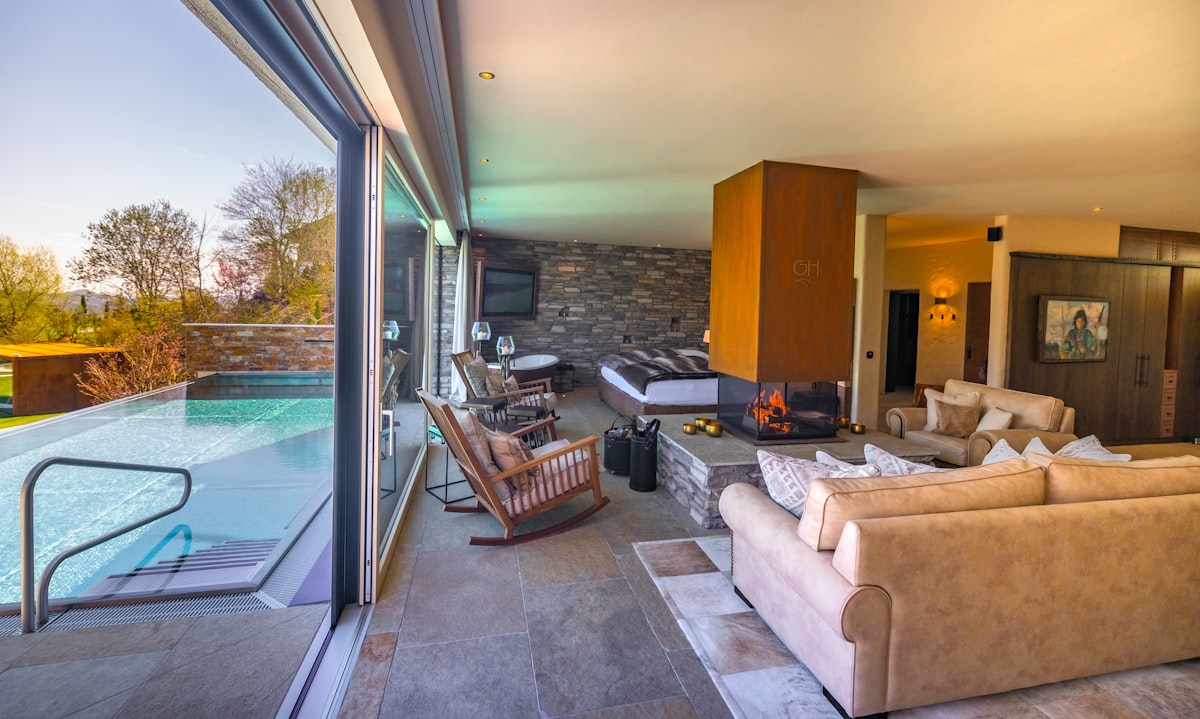
The Rise of Direct Owner Luxury Property Listings in the Modern Market
The landscape of high-end real estate is currently undergoing a profound transformation. For decades, the acquisition of multi-million...
Read more →For the modern investor, the appeal lies not just in the aesthetic grandeur of these properties but in their operational efficiency. Luxury townhouses often feature lower maintenance requirements compared to expansive detached villas, while still providing private entrances, outdoor terraces, and the sense of exclusivity that high-net-worth tenants crave. This balance of luxury and practicality ensures that the properties remain attractive to a wide demographic, from young professionals to affluent retirees looking to downsize their responsibilities without downsizing their lifestyle.
Furthermore, the demographic shift toward lock-and-leave lifestyles has fueled a surge in the popularity of these upscale dwellings. Busy professionals and international travelers are seeking homes that offer sophisticated design and top-tier security without the burden of extensive landscaping or exterior upkeep. This steady demand creates a robust rental market and strong potential for long-term capital appreciation, making it a cornerstone for any serious real estate portfolio.
Navigating this specific segment requires a keen eye for architectural detail and an understanding of neighborhood dynamics. As we delve into the nuances of this asset class, it becomes clear why many are choosing to diversify their portfolios with these vertical gems. Often, these investors start with urban townhomes before they eventually decide to Purchase custom built luxury villas directly to round out their international holdings. Understanding the mechanics of the townhouse market is the first step in mastering the high-end residential landscape.
The Strategic Appeal of Vertical Living
Luxury townhouses represent a unique intersection of design and density. In land-scarce urban environments, building upward rather than outward is the only way to provide significant square footage in a central location. This verticality allows for creative floor plans that separate living, working, and sleeping areas across different levels, providing a level of privacy that a single-story condo simply cannot match.
Privacy and Personalization
One of the primary drivers for townhouse popularity is the lack of shared hallways and elevators. In a post-pandemic world, the value of a private entrance and a dedicated garage has skyrocketed. Investors find that properties offering these features command a significant premium in both resale value and monthly rental income. Furthermore, because the owner typically owns the land beneath the structure, there is often more freedom for personalization and renovation compared to restrictive apartment bylaws.
Architectural Innovation
Modern luxury townhouses are often at the forefront of architectural trends. Developers are increasingly using high-end materials such as floor-to-ceiling glass, reclaimed wood, and industrial steel to create striking facades. Inside, these homes are frequently equipped with internal elevators, smart home systems, and chef-grade kitchens. These features are not just for show; they are essential components that ensure the property remains competitive in a market where tenants and buyers expect the absolute best in technology and comfort.
Decoding the Financial Metrics of Premium Townhomes
Investing in the luxury sector requires a different analytical framework than entry-level housing. The initial capital outlay is higher, but the potential for significant equity growth and high-quality tenant retention often offsets the upfront costs. Understanding the math behind these investments is crucial for maximizing returns.
Appreciation and Market Resilience
Historical data suggests that luxury townhouses in established neighborhoods tend to appreciate at a steadier rate than speculative suburban developments. Because they are often located in areas with limited new supply, the scarcity factor naturally drives prices upward over time. Additionally, the high-net-worth individuals who occupy these homes are generally less sensitive to interest rate hikes, which helps maintain price stability during broader market volatility.
Tax Advantages and Depreciation
Like all real estate investments, townhouses offer various tax benefits. Investors can often leverage depreciation schedules to offset their rental income, significantly improving their cash flow. Furthermore, because these properties are often part of a small association rather than a massive complex, the monthly fees are frequently more manageable, allowing for a better net operating income. When investors seek to scale their operations, they might look to Purchase custom built luxury villas directly as part of a 1031 exchange or similar tax-advantaged strategy to preserve their wealth.
Essential Amenities that Attract High-Value Tenants
To command top-tier rents, a luxury townhouse must offer more than just a prestigious address. It must provide a lifestyle experience that justifies the premium price tag. Today’s luxury tenants are looking for specific features that enhance their daily lives and provide a sense of sanctuary within the city.
Private Outdoor Spaces
In an urban setting, a private garden, courtyard, or rooftop deck is the ultimate luxury. These spaces serve as outdoor living rooms, perfect for entertaining or relaxing. Investors should prioritize properties that offer well-designed outdoor areas, as these are often the deciding factor for high-end renters who want a connection to nature without leaving the city center.
Smart Integration and Security
Security is paramount in the luxury market. Advanced camera systems, biometric entry, and integrated smart home hubs that control lighting, climate, and sound are now standard expectations. A home that is future-proofed with the latest technology will not only attract better tenants but will also be easier to manage remotely, reducing the administrative burden on the investor.
Identifying Emerging Markets and Neighborhood Gentrification
While established neighborhoods like London's Kensington or New York’s West Village are safe bets, the highest returns are often found in emerging luxury pockets. These are areas that are currently undergoing revitalization, where new infrastructure, boutique retail, and high-end dining are starting to take root. Identifying these areas before they reach their peak is the hallmark of a savvy investor.
Proximity to major employment hubs, especially in the tech and finance sectors, remains a primary indicator of future demand. Additionally, areas with high-performing school districts and low crime rates will always attract families, providing a stable tenant base. By keeping a pulse on urban planning developments and transit expansions, investors can position themselves in the path of growth, ensuring their townhouse investment thrives for decades.
Risk Mitigation in the High-End Residential Sector
No investment is without risk, and the luxury market is no exception. Oversupply in a specific neighborhood or shifts in local tax laws can impact profitability. To mitigate these risks, diversification is key. Many successful investors spread their capital across different geographic regions and property types to ensure they are not overly exposed to a single market's downturn.
Proper property management is also a critical component of risk management. High-end tenants expect a high level of service, and any delay in maintenance can lead to vacancies. Engaging a professional management firm that specializes in luxury properties can preserve the asset's condition and ensure tenant satisfaction. Ultimately, the goal is to create a hands-off investment that generates consistent wealth while the property continues to appreciate in the background.
Conclusion
Luxury townhouse investments represent a sophisticated approach to building a real estate portfolio. By combining the best elements of urban living with the exclusivity of a private home, these properties offer a unique value proposition that is hard to replicate. Whether you are looking for steady rental income, significant capital appreciation, or a trophy asset in a world-class city, the luxury townhouse market provides ample opportunity for success. As the world continues to urbanize, the demand for these high-end, multi-level residences is only set to increase, making now an opportune time to explore the potential of this prestigious asset class.